Cold Exposure Protocol: Ice Baths, Cold Showers & the Science of Hormesis
Cold exposure activates brown fat, boosts norepinephrine 300%, and builds stress resilience. The evidence-based protocol for cold therapy — without the hype.
Quick Verdict
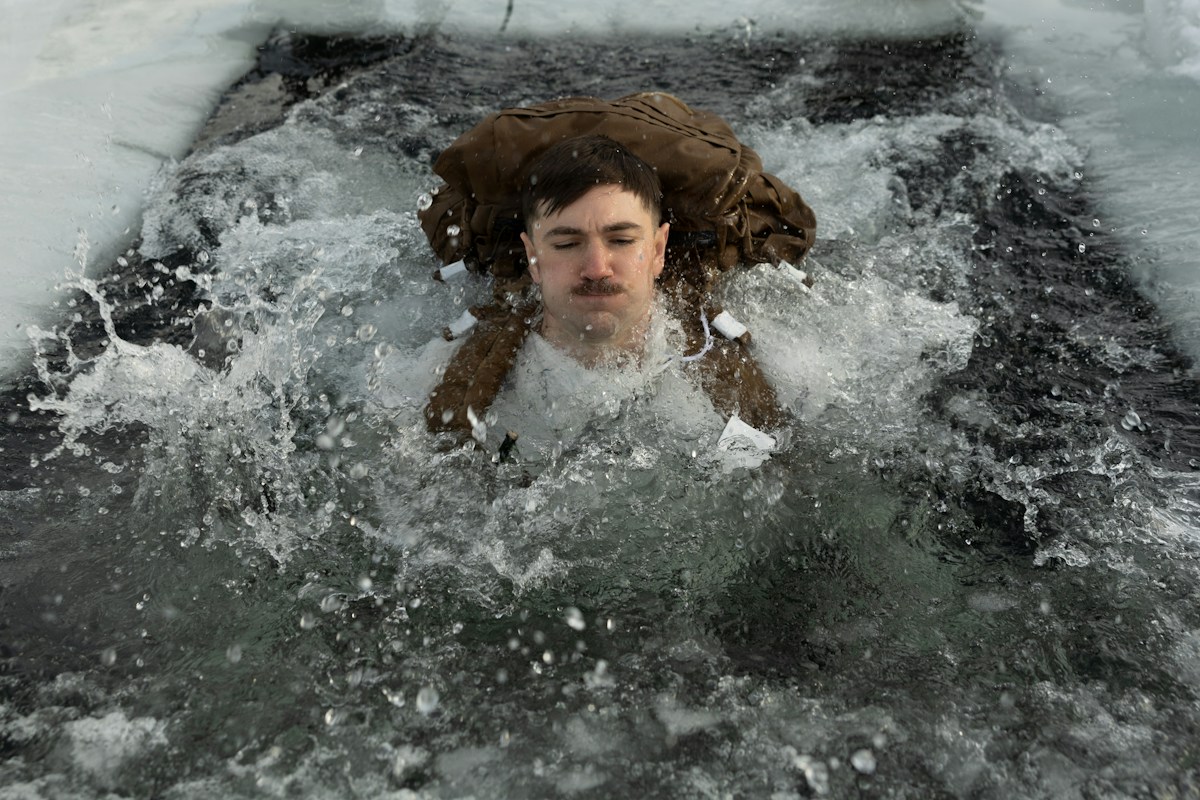
Cold exposure is one of the most potent, free interventions for mood, metabolism, and mental resilience. 11 minutes per week at genuinely cold temperatures (10–15°C) produces measurable benefits. Start with cold showers, progress to ice baths.
The Case for Cold
Cold exposure has moved from fringe biohacking to mainstream science. The mechanism is clear: controlled cold stress activates a cascade of adaptive physiological responses — the same principle as exercise, but through a different pathway.
This is hormesis — the phenomenon where a brief, controlled stressor produces beneficial adaptations that exceed the cost of the stress itself.
The data on cold exposure is better than most people realise, and the practice is simpler and cheaper than almost any other longevity intervention.
What Cold Exposure Actually Does
Norepinephrine Surge
Cold immersion triggers a 200–300% increase in norepinephrine (noradrenaline) — a neurotransmitter and hormone that drives focus, alertness, mood, and pain suppression. This effect persists for hours after the exposure and explains why habitual cold practitioners describe lasting mental clarity.
Norepinephrine also plays a role in neuroplasticity — the brain's capacity to adapt and rewire — making cold exposure potentially relevant for cognitive health and depression.
Brown Adipose Tissue Activation
Unlike white fat (energy storage), brown adipose tissue (BAT) generates heat through thermogenesis — burning calories to warm the body. Cold exposure activates BAT and, with repeated exposure, increases its density and activity.
BAT activity is associated with better glucose metabolism, improved insulin sensitivity, and reduced white fat accumulation. This is the metabolic mechanism underlying cold exposure's weight management effects.
Metabolic Rate Increase
Acute cold exposure increases metabolic rate significantly as the body works to maintain core temperature. Extended cold immersion can increase energy expenditure by 200–300% above baseline during the session.
Inflammation Reduction
Cold vasoconstriction followed by vasodilation on rewarming creates a powerful flush of metabolic waste products and inflammatory mediators from muscle tissue — the mechanism behind cold therapy's well-established effect on exercise recovery.
Resilience and Stress Tolerance
Repeated cold exposure builds what researchers call "top-down control" — the prefrontal cortex's ability to override the limbic system's panic response. This psychological adaptation transfers to other stressors: people who cold plunge regularly report greater stress tolerance, reduced anxiety reactivity, and improved emotional regulation.
The Evidence
Key studies:
- Srámek et al. (2000): Cold water immersion at 14°C increased norepinephrine by 530% and dopamine by 250%
- van Marken Lichtenbelt et al. (2009, NEJM): Cold exposure activates metabolically active brown fat in adults
- Shevchuk (2008): Cold shower protocol (20°C, 2–3 min) showed antidepressant effects with NNT comparable to antidepressant medication
- Versey et al. (2013, meta-analysis): Cold water immersion reduces DOMS by 20% at 24–96h post-exercise
Huberman Lab synthesis (widely cited): 11 minutes per week total cold exposure, distributed across 2–4 sessions, in water cold enough to cause discomfort but safe to remain in — sufficient for robust metabolic and psychological benefits.
The Protocols
Level 1: Cold Shower (Beginner)
Temperature: As cold as your shower goes (typically 10–15°C) Duration: 1–3 minutes Frequency: Daily or most days
How to progress:
- Week 1: End your normal shower with 30 seconds cold
- Week 2: 1 minute cold
- Week 3–4: 2–3 minutes cold
- Month 2+: Full cold shower from the start
Limitations: Most showers don't get cold enough for optimal brown fat activation. Good for habituation and mood benefits; limited for metabolic and recovery effects.
Level 2: Ice Bath / Cold Plunge
Temperature: 10–15°C (50–59°F) for benefits; 5–10°C for advanced Duration: 2–10 minutes depending on temperature Frequency: 2–4x per week
Session guide by temperature:
- 15°C: 10–15 minutes comfortable for most people after adaptation
- 12°C: 5–8 minutes
- 10°C: 3–5 minutes
- 7°C: 2–3 minutes (Wim Hof level, experienced practitioners only)
- Under 5°C: Under 2 minutes maximum — risks of cardiac arrhythmia increase sharply
Never go under 0°C (ice slurry). The cardiovascular shock risk is not worth it.
Timing: When to Cold Plunge
For mood and energy: Morning cold exposure amplifies the cortisol awakening response and sets up a sustained norepinephrine boost. Best for focus-demanding days.
For recovery: Within 30–60 minutes post-exercise. The inflammation-reduction benefit is highest in this window.
NOT immediately after strength training if muscle growth is the goal: cold blunts the hypertrophic signalling (mTOR pathway) activated by training. Wait at least 4 hours post-lifting, or do cold on separate days.
The Contrast Therapy Protocol (Advanced)
Alternating hot (sauna) and cold (plunge) exposure amplifies cardiovascular benefits — the vessels dilate and constrict repeatedly, which is essentially vascular exercise.
Standard protocol:
- Sauna 15–20 min at 80–90°C
- Cold plunge 2–3 min at 10–15°C
- Repeat 2–3 cycles
- End cold (for alertness) or end hot (for relaxation and sleep)
This is the protocol used in Finnish sauna culture, with substantial epidemiological longevity data behind it.
Safety Considerations
Cardiovascular: Cold immersion causes immediate vasoconstriction and heart rate spike. People with known cardiac disease, arrhythmia, or Raynaud's phenomenon should consult a physician before starting.
Cold shock response: The first 30–90 seconds of cold immersion triggers involuntary gasping and hyperventilation. Never do cold immersion alone in deep water — drowning risk is real. Use a plunge tub or supervised pool.
Hypothermia: Core temperature drop begins after extended exposure, especially in very cold water. Shivering is normal; loss of coordination, confusion, or inability to get out are danger signs.
Warm up after: Shivering post-plunge is thermogenic — it generates heat and has its own metabolic benefits. Do not suppress it immediately. But get dry, out of wind, and warm within 10–15 minutes.
Weekly Template
| Day | Protocol | Duration | |-----|----------|----------| | Mon | Cold shower | 2–3 min | | Wed | Ice bath | 5–8 min at 12°C | | Fri | Ice bath | 5–8 min at 12°C | | Sat | Sauna + contrast | 3 cycles |
This delivers roughly 15–18 minutes per week of genuine cold exposure — exceeding the Huberman threshold of 11 minutes for robust benefits.
Getting Started: The Honest Path
The biggest barrier is psychological, not physiological. Cold is uncomfortable. Your brain will generate elaborate reasons to skip it.
The solution: make the decision before you get to the shower. The moment you have to decide in front of the cold water, your limbic system wins. Decide the night before. Create a rule: Tuesday and Thursday are cold days, no exceptions.
The first 10–15 sessions are genuinely unpleasant. After that, most people report looking forward to it — the norepinephrine response becomes rewarding in itself.
About the Author
Editorial Team
Collaborative articles researched and maintained by the Longevity Intel editorial team. Medical review is shown only when a named reviewer and review date are recorded for the article.
Related in Cold Exposure
Continue your research
Continue Reading
Related Articles

Cold Shower Protocol: The Beginner's Guide to Cold Exposure Without the Ice Bath
Cold plunges get the headlines but cold showers are where most people should start. Here's the evidence-based progression from warm shower to full cold exposure — and what you actually gain from each stage.

Sleep Hygiene Protocol: 20 Evidence-Based Changes Ranked by Impact
Complete sleep hygiene protocol for longevity: 20 ranked changes for deep sleep, circadian rhythm, and recovery. Start with wake time, morning light, and cool dark room.
Strength Training Periodisation for Longevity: How to Programme for Decades, Not Months
Most training programmes are built for short-term progress. Longevity strength training is different — it optimises for decades of consistent gains while minimising injury and preserving joint health. Here's the framework.