Theragun Pro Gen 6 Review: A Professional-Grade Percussive Therapy Device
The manufacturer lists the Theragun Pro Gen 6 at 16mm amplitude and 60 lbs of stall force. A research summary from manufacturer specifications and published studies; we have not tested it ourselves.
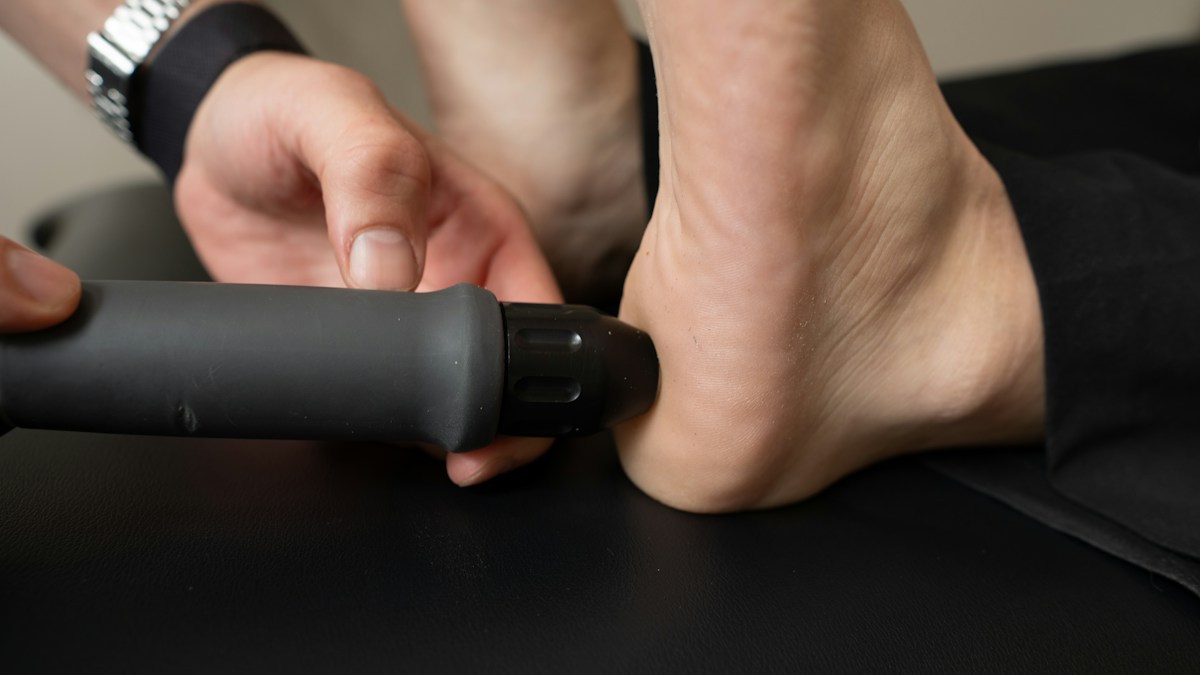
Quick Verdict
The Theragun Pro Gen 6 is a professional-grade percussive therapy device. The manufacturer lists 16mm amplitude, a rotating arm for hard-to-reach areas, and an OLED screen with guided routines. It is expensive. Based on manufacturer specifications; we have not tested it ourselves.
Top Picks
As an Amazon Associate, Longevity Intel earns from qualifying purchases. We may also earn a commission from other retailer links — at no extra cost to you. Commissions never influence rankings or scores. How we stay independent
Theragun Pro Gen 6
Theragun · $599
Price accurate as of July 2026 — see retailer for current price & availability.
Pros
- 16mm listed amplitude, higher than the other devices compared here
- 60 lbs listed stall force, higher than the other devices compared here
- Rotating arm — 4 angles for hard-to-reach areas
- OLED screen with 30+ guided routines
- Two batteries included (300 min total)
- Bluetooth app with body map guidance
Cons
- Expensive at $599
- Heavy at a listed 2.9 lbs, which may be tiring for extended self-treatment
- Louder than Hypervolt at high speeds
- Overkill for casual users
The Amplitude Specification
Theragun is a widely known brand, and the Pro's 16mm amplitude is the highest of the devices compared on this site.
Amplitude is the total stroke length of the percussive head. At 16mm, the Theragun Pro moves its head 16 millimetres with each percussion. At 12mm (Hypervolt 2 Pro) or 10mm (budget devices), the stroke is shorter, which is generally expected to reach less deeply.
This matters because the physiological effects of percussive therapy — increased local blood flow, reduced muscle tone via Golgi tendon organ inhibition, pain gate modulation — are proposed mechanisms, and evidence that a longer stroke gives better results is limited. As a rule of thumb, shorter amplitudes are commonly considered adequate for superficial muscles and longer amplitudes are marketed for deep tissue.
Stall Force: Why 60 Lbs Matters
Stall force is the amount of pressure the motor can sustain before the percussion rate drops significantly. This is the specification that matters for practical use.
A lower stall force means the device may slow when pressed firmly into a large muscle. A higher stall force, such as the 60 lbs listed for the Theragun Pro, is intended to let the device keep its speed under firmer pressure. Stall force figures are manufacturer-stated and measured in different ways by different brands.
The Rotating Arm: Solving the Self-Treatment Problem
The Theragun Pro's defining design innovation is its rotating arm — the attachment point between the handle and the motor head rotates through 4 preset angles. This solves a fundamental problem with percussive therapy self-treatment: getting to your own back, posterior shoulder, and hip musculature.
Arm positions:
- 0° (straight): Standard use, front of body, legs
- 30°: Slight angle for shoulder and upper back
- 60°: Mid-back reach
- 90° (perpendicular): Full back, glutes, and posterior chain access without contortion
The 90° position is intended to make self-treatment of the mid-back and glutes easier, areas that are otherwise hard to reach. Whether this justifies a premium over fixed-arm devices depends on the user.
OLED Screen and App Integration
The Theragun Pro Gen 6 added an OLED screen — a change from the LED indicator lights of previous generations. The screen displays:
- Current speed (RPM)
- Battery percentage
- Force metre (pressure being applied)
- Connected app status
The Therabody App offers 30+ guided routines for specific use cases (pre-workout activation, post-workout recovery, sleep preparation, sports-specific protocols). Routines combine body region, attachment head, speed, and duration — the app guides you through each step with vibration cues.
For users unfamiliar with percussive therapy, guided protocols may help them use the device more consistently.
The Science of Percussive Therapy
The mechanisms below are the proposed explanations for how percussive therapy may work; evidence for each in humans varies.
Vibration and muscle tone reduction: Rapid percussion activates the Golgi tendon organ (GTO) — a mechanoreceptor at the muscle-tendon junction that responds to sudden tension. GTO activation triggers an autogenic inhibition reflex, reducing muscle tone. This is the same mechanism targeted in contract-relax stretching and proprioceptive neuromuscular facilitation (PNF).
It is unclear how much amplitude is needed to activate the GTO, and we are not aware of published evidence that a 16mm stroke is required.
Local blood flow and metabolic waste clearance: Mechanical percussion is proposed to increase local blood flow, which may help clear metabolic waste products associated with delayed-onset muscle soreness (DOMS). The size of this effect in published studies is variable.
Pain gate modulation: High-frequency mechanical stimulation activates large-diameter A-beta sensory fibres, which competitively inhibit nociceptive (pain) signals travelling via smaller C fibres — the same mechanism as rubbing a bruise instinctively reduces pain. High-frequency percussion is proposed to provide A-beta activation, which may temporarily reduce pain perception in treated areas.
What the Published Research Suggests
We have not used this device and do not report our own results. A 2021 systematic review (Konrad et al.) found that massage guns can reduce muscle soreness (DOMS) and improve short-term range of motion, with smaller effects than marketing often implies. Common protocols use short sessions per muscle group before or after exercise; see our massage gun comparison for a general protocol.
Attachment Heads: Six Included
The Theragun Pro Gen 6 ships with six attachment heads for different applications:
Standard ball: Large muscle groups (quads, hamstrings, glutes, chest). Most frequently used.
Dampener: Sensitive areas, joints, near bone. Softer material reduces percussion intensity.
Thumb: Targeted trigger point work, feet, palms, forearms.
Cone: Precise trigger point, small muscle groups (peroneals, forearm flexors, tibialis posterior).
Wedge: IT band, shoulder blades, muscle scraping technique (fascial release).
Supersoft: Extremely sensitive areas, post-surgical recovery, bruised tissue.
Battery Life and Charging
The Theragun Pro Gen 6 includes two swappable batteries, each providing approximately 150 minutes of use. The manufacturer lists a total run time of 300 minutes across both batteries, which is intended for professional clinical use.
The batteries are swappable, which matters more in clinical settings where devices are used continuously.
Noise: The Main Practical Limitation
Percussive devices are generally loud at high speed, and the Theragun Pro is commonly described as louder than the Hypervolt 2 Pro, which the manufacturer lists at 55 dB. We have not measured either, and brands measure noise differently.
For use in a private space, noise may not matter. In shared spaces (offices, hotel rooms, early morning sessions while others sleep), it is a consideration. The Hypervolt 2 Pro or a compact Theragun Mini would serve better in these contexts.
Theragun Pro vs. Hypervolt 2 Pro: The Core Trade-Off
| Spec | Theragun Pro | Hypervolt 2 Pro | |------|-------------|-----------------| | Amplitude | 16mm | 12mm | | Stall Force | 60 lbs | 40 lbs | | Noise | Check manufacturer | 55 dB (manufacturer) | | Weight | 2.9 lbs | 1.8 lbs | | Rotating arm | Yes (4 angles) | No | | Battery life | 300 min (2 batteries) | 180 min | | Price | $599 | $329 |
Choose Theragun Pro if depth, power, and the rotating arm matter. Choose Hypervolt 2 Pro if noise, weight, and price are priorities.
Final Verdict
The Theragun Pro Gen 6 has the highest listed amplitude and stall force of the devices compared here, plus a rotating arm for hard-to-reach areas. If you train seriously, work with athletes or clients, or want the highest specification, it is a reasonable choice. The published evidence does not show that higher specifications produce better outcomes.
This page is a research summary from manufacturer specifications and published studies; we have not tested the product ourselves. LongevityLab earns a commission on affiliate sales.
About the Author
Editorial Team
Collaborative articles researched and maintained by the Longevity Intel editorial team. Medical review is shown only when a named reviewer and review date are recorded for the article.
Continue Reading
Related Articles
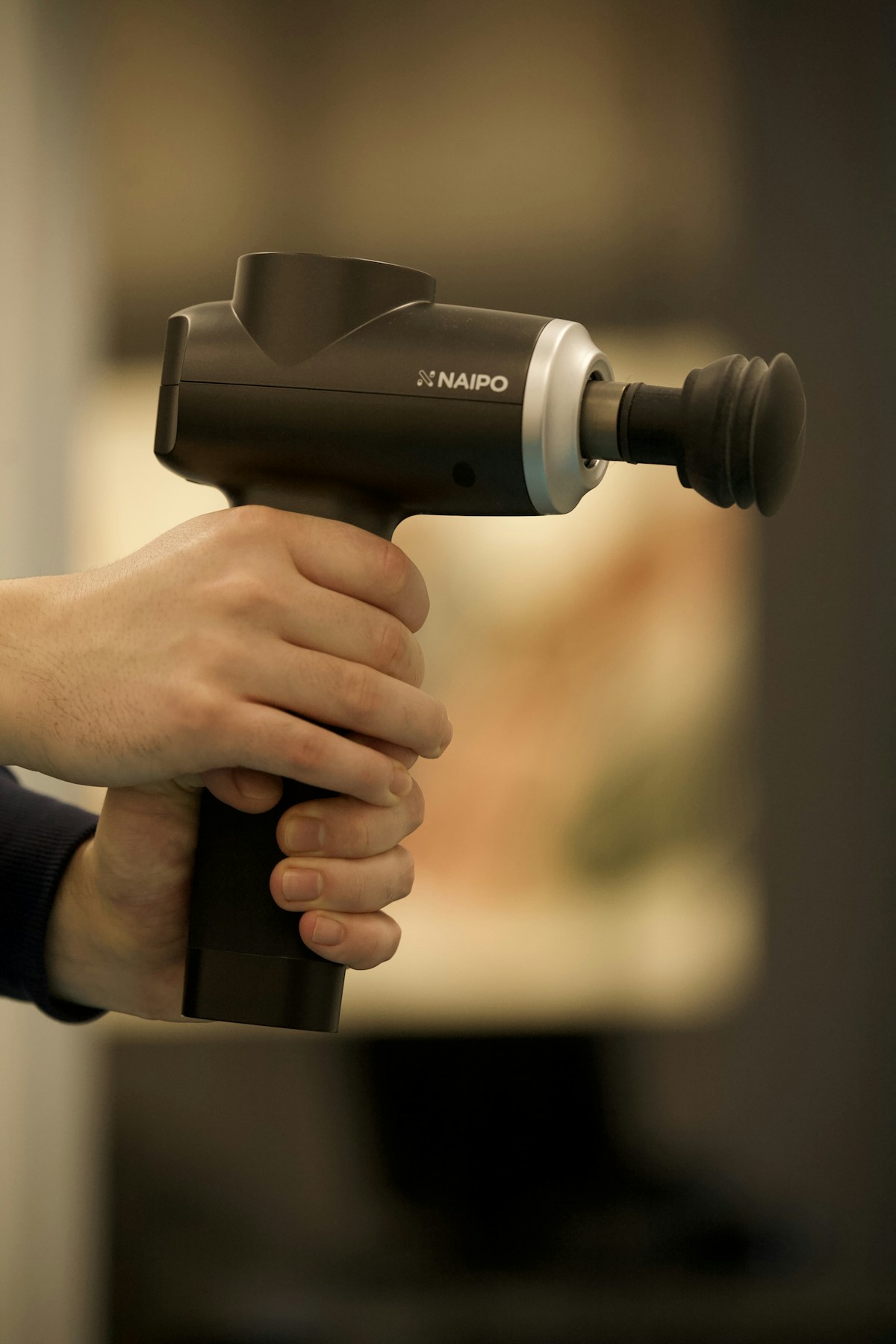
Best Massage Guns: Theragun vs Hypervolt vs Budget Picks
Percussive therapy devices have become standard recovery tools. This research summary compares manufacturer specifications for stall force, amplitude, noise, and battery life.
Hyperice Hypervolt 2 Pro Review: A Quiet Premium Massage Gun
The manufacturer lists the Hypervolt 2 Pro at 55 dB, with a pressure sensor and a lightweight body. A research summary from manufacturer specifications and published studies; we have not tested it ourselves.

Compression Therapy for Recovery: Boots, Sleeves & Pneumatic Devices Reviewed
Compression therapy accelerates recovery, reduces DOMS, and improves circulation. We break down the evidence and rank the best devices.