Metformin for Longevity: The TAME Trial, the Evidence, and What Doctors Actually Think
Metformin is the world's most prescribed diabetes drug — and potentially the first drug to be formally tested as a longevity intervention. Here's the honest evidence and the ongoing debate.
Quick Verdict
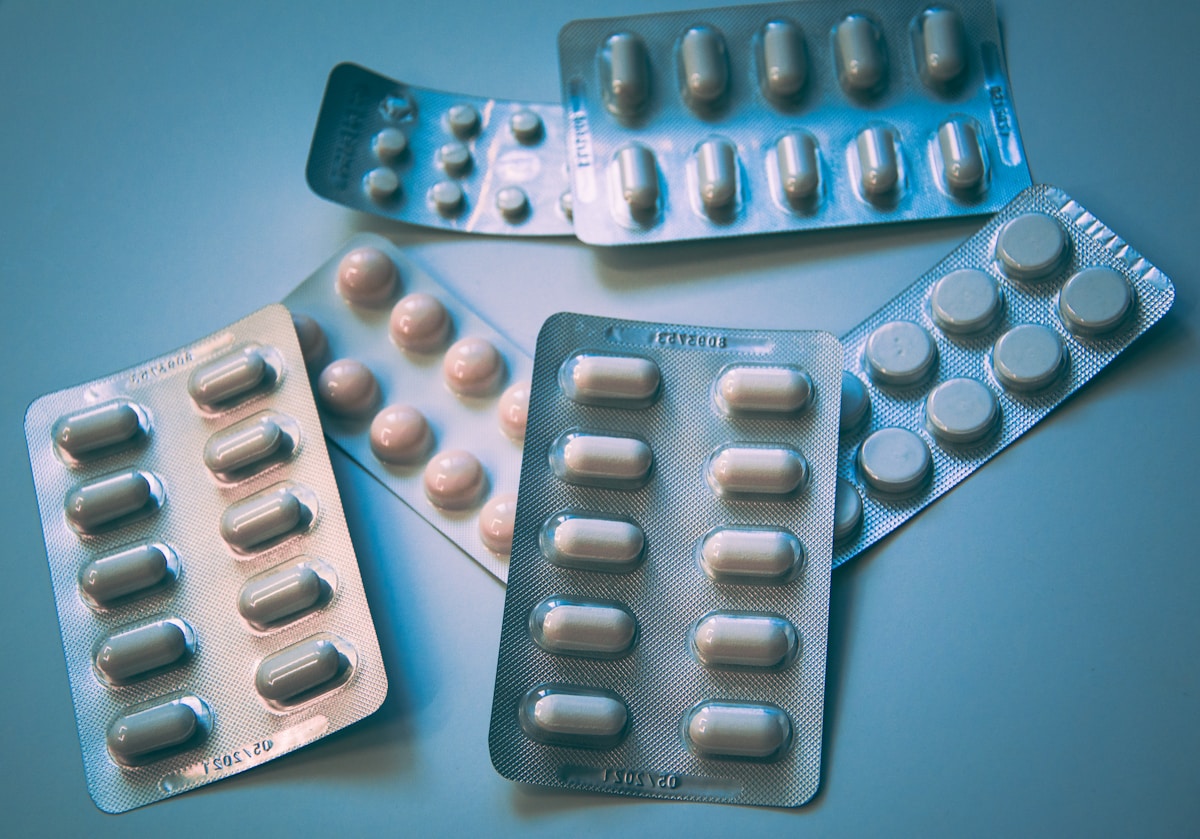
Metformin has compelling observational data showing diabetics on metformin outlive non-diabetics not on it — a striking finding. The ongoing TAME trial will determine whether it works as a longevity drug in non-diabetics. Serious longevity physicians are divided. Key concern: may blunt exercise adaptation. Not recommended OTC — this requires physician involvement.
Metformin: The World's Most Interesting Longevity Drug
Metformin has been used as a first-line type 2 diabetes treatment since the 1950s. Billions of prescriptions have been written. Its safety profile across 60+ years of use is exceptionally well-documented.
What changed the conversation about metformin and longevity was a single remarkable finding published in 2014.
The Finding That Started Everything
Bannister et al. (2014, Diabetes, Obesity and Metabolism): UK database study comparing survival in:
- 78,000 type 2 diabetics treated with metformin
- 12,000 type 2 diabetics treated with sulphonylureas (another diabetes drug)
- 90,000 matched non-diabetic controls
Expected result: diabetics (who have metabolic disease) should live shorter lives than healthy controls.
Actual result: diabetics on metformin lived longer than matched non-diabetic controls.
This is a striking epidemiological finding. A drug given to sick people — people who already have a metabolic disease that reduces lifespan — appears to confer enough benefit to overcome the disease penalty and push lifespan above that of healthy controls.
If metformin can extend the lives of diabetics beyond the lifespan of healthy people, what might it do in already-healthy people?
This was the question that launched the TAME trial.
The TAME Trial
TAME (Targeting Aging with Metformin) is the first clinical trial designed to use longevity as a primary outcome measure — not treatment of a disease, but slowing of the ageing process itself.
Principal investigator: Dr. Nir Barzilai, Albert Einstein College of Medicine Funding: $75 million, primarily from private foundations (the NIH initially refused to fund a longevity trial) Participants: 3,000 adults aged 65–79 Duration: 6 years Dose tested: Metformin 1,500mg/day Primary outcome: Time to development of a composite of age-related conditions (cardiovascular disease, cancer, dementia, disability, or death)
Status (as of 2024): Actively enrolling. Results expected 2027–2028.
The significance of TAME goes beyond metformin itself. If it succeeds, it will establish a regulatory pathway for approving drugs that target ageing — a paradigm shift that could accelerate longevity medicine dramatically.
Mechanisms: Why Metformin Might Work
AMPK Activation
Metformin's primary mechanism is inhibition of Complex I of the mitochondrial electron transport chain. This produces a mild reduction in ATP production, which activates AMPK (AMP-activated protein kinase) — the cell's master energy sensor.
AMPK activation:
- Inhibits mTOR (the nutrient-sensing pathway that, when chronically active, accelerates ageing)
- Activates autophagy
- Improves insulin sensitivity
- Stimulates mitochondrial biogenesis
- Reduces inflammatory signalling (NF-κB inhibition)
This is functionally similar to what caloric restriction and exercise do — AMPK is the convergence point for multiple longevity-associated interventions.
IGF-1 Reduction
Metformin reduces hepatic IGF-1 production. Lower IGF-1 is consistently associated with longevity across species — the same pathway targeted by the fasting mimicking diet.
Anti-Inflammatory Effects
Metformin reduces circulating CRP, IL-6, and TNF-alpha — the primary mediators of inflammageing. This may explain part of the cardiovascular and cancer risk reductions observed in observational studies.
Gut Microbiome Modification
Increasingly recognised as a key mechanism: metformin substantially alters the gut microbiome, increasing Akkermansia muciniphila (a species consistently associated with metabolic health and longevity) and modifying other bacterial populations. Some researchers believe a significant portion of metformin's metabolic benefits are microbiome-mediated.
The Case Against (The Exercise Problem)
The most significant concern about metformin as a longevity drug in otherwise healthy people is its interaction with exercise adaptation.
Konopka et al. (2019, Aging Cell): 53 older adults underwent 12 weeks of aerobic exercise training. Half received metformin, half placebo.
Results: The metformin group showed significantly attenuated mitochondrial adaptations to exercise compared to placebo — specifically, the expected increase in mitochondrial content and function was blunted by metformin.
Mechanism: Exercise produces mitochondrial adaptations partly through ROS (reactive oxygen species) signalling — a mild oxidative stress that triggers beneficial adaptations. Metformin's Complex I inhibition alters this ROS signalling, potentially blunting the training response.
Clinical implication: Exercise is the most potent longevity intervention available. A drug that blunts the longevity benefits of exercise — while also providing its own longevity mechanisms — may have a net negative or neutral effect in people who exercise regularly.
This is why many longevity physicians — including some who initially took metformin and subsequently stopped — have moved away from routine metformin in otherwise healthy, exercising individuals.
A common position among longevity physicians: Does not recommend metformin for healthy exercisers. Remains open to it for people with metabolic dysfunction who are less responsive to exercise.
David Sinclair's position: Takes metformin (500mg–1,000mg/day). Does not exercise at high intensity levels where the adaptation blunting would be most impactful.
Current Observational Evidence in Non-Diabetics
Beyond the diabetic population data, two additional findings support metformin's longevity potential:
Cancer risk reduction: Multiple large observational studies show metformin use associated with 20–40% lower risk of several cancers (colorectal, breast, prostate, lung). Mechanism likely includes mTOR inhibition (cancer cells are highly mTOR-dependent) and IGF-1 reduction.
Cardiovascular protection: Beyond glycaemic control, metformin reduces cardiovascular events — partially through endothelial function improvement and anti-inflammatory effects.
Cognitive protection: Diabetics on metformin have lower dementia rates than diabetics on other agents. Whether this extends to non-diabetics is unknown.
Practical Considerations
Metformin requires a prescription in the US, UK, and most countries. It is not available over the counter. Getting it prescribed for longevity (in a non-diabetic) requires a physician willing to prescribe off-label — this is legal but not universally offered.
Standard longevity dosing: 500–1,000mg/day (lower than the diabetic therapeutic dose of 1,500–2,000mg). Most longevity physicians who prescribe it for this purpose use 500–1,000mg at night with dinner.
Side effects:
- GI upset (nausea, diarrhoea) — very common, especially when starting; usually resolves in 4–8 weeks
- Extended-release formulation significantly reduces GI side effects
- Vitamin B12 depletion with long-term use — supplement B12 (methylcobalamin 1mg/day) if taking metformin chronically
- Lactic acidosis (very rare — risk increases with kidney impairment, contrast dye exposure, alcohol excess)
Contraindications:
- Kidney disease (eGFR < 45)
- Liver disease
- Heart failure
- Upcoming CT scan with iodinated contrast (stop 48 hours before)
- Heavy alcohol use
Who Should Consider Metformin (With Physician Guidance)
Strongest case:
- Adults 60+ with pre-diabetes or insulin resistance who are not high-intensity exercisers
- Individuals with elevated cancer risk (family history of colorectal, breast, prostate cancer)
- People with metabolic syndrome who have been unable to fully resolve it with lifestyle
Weakest case:
- Healthy adults under 50 who exercise regularly at high intensity
- People who have already optimised metabolic health through diet and exercise
- Anyone prioritising athletic performance
Alternatives to consider first:
- Berberine: plant-derived AMPK activator with similar mechanisms to metformin; available OTC; used at 500mg 2–3x daily. Not equivalent but meaningful overlap.
- Lifestyle optimisation (diet quality, zone 2 exercise, time-restricted eating) activates AMPK through the same pathways without the exercise-blunting effect.
The Bottom Line
Metformin is one of the most intellectually interesting drugs in longevity medicine. The observational data is compelling. The mechanisms are credible. The TAME trial will provide the most important longevity drug data of the decade.
But the exercise adaptation concern is real — and exercise is the longevity intervention metformin would be competing against. For healthy, regularly exercising adults, the risk-benefit calculation is genuinely uncertain until the TAME data arrives.
This is a drug-physician conversation, not a supplement you order online. If you are interested in metformin, find a physician engaged with longevity medicine — they will know the TAME trial, the exercise data, and be equipped to make an individual recommendation based on your metabolic profile, exercise habits, and risk factors.
About the Author
Editorial Team
Collaborative articles researched and maintained by the Longevity Intel editorial team. Medical review is shown only when a named reviewer and review date are recorded for the article.
Continue Reading
Related Articles
Rapamycin for Longevity: The Most Promising (and Controversial) Anti-Aging Drug
Rapamycin extends lifespan in every organism tested — including middle-aged mice by 25%. Here's what we know, what we don't, and what physicians are actually doing.

Best Berberine Supplements: The Natural Metformin Alternative
Berberine activates AMPK, lowers blood sugar as effectively as metformin, and has compelling anti-ageing data. We rank the best supplements and explain the science.
Rapamycin for Longevity: Human Evidence, Mouse Data & Risks
A source-led review of sirolimus and rapalogs: replicated mouse lifespan findings, limited human ageing studies, approved uses, safety warnings, and unresolved dosing questions.