Spermidine: The Autophagy-Boosting Compound With Surprising Longevity Data
Spermidine is one of the few compounds shown to extend lifespan in multiple organisms AND have human observational data. Here's what the science says.
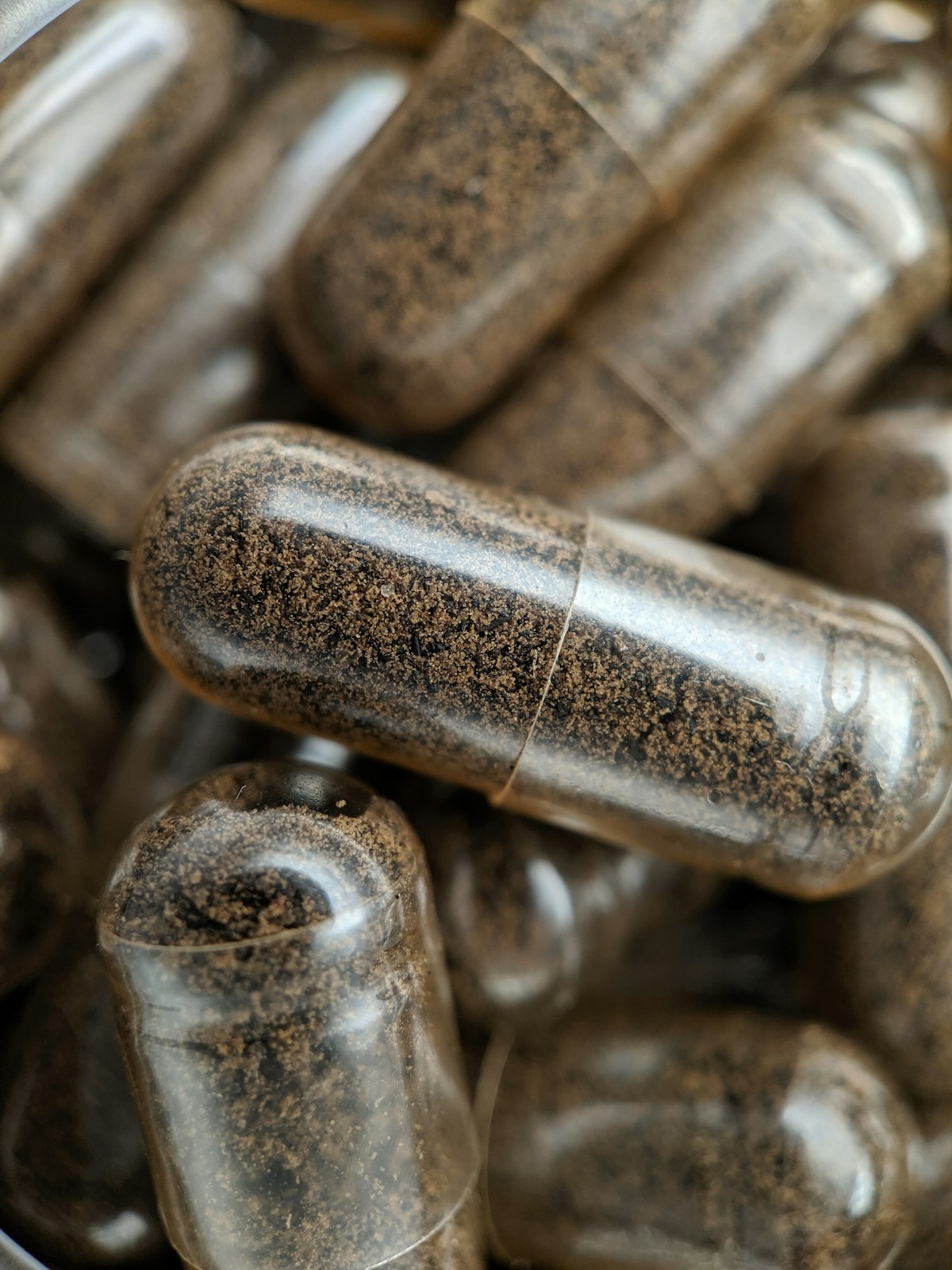
Quick Verdict
Spermidine has some of the most compelling longevity data of any supplement — extending lifespan in yeast, flies, worms, and mice, with human data showing inverse correlation with mortality. The mechanism (autophagy induction) is robust. More human RCT data needed, but the risk-benefit profile is very favourable.
Top Picks
As an Amazon Associate, Longevity Intel earns from qualifying purchases. We may also earn a commission from other retailer links — at no extra cost to you. Commissions never influence rankings or scores. How we stay independent
Primeadine Original (Oxford Healthspan)
Oxford Healthspan · $72.00
Price accurate as of July 2026 — see retailer for current price & availability.
Pros
- 1mg spermidine per capsule from Japanese wheat germ extract
- Founded by longevity researcher Dr. Leslie Kenny
- Third-party tested, high purity
- Research-backed formulation
Cons
- Expensive per mg
- 1mg dose is modest vs some protocols
Affiliate link · we may earn a commission
DoNotAge Spermidine
DoNotAge · $29.99
Price accurate as of July 2026 — see retailer for current price & availability.
Pros
- 10mg per capsule — higher dose option
- More affordable per mg
- Reputable longevity-focused brand
Cons
- Less peer-reviewed research on higher doses in humans
What Is Spermidine?
Spermidine is a naturally occurring polyamine — a class of compounds involved in cell growth, DNA stability, and cell death regulation. It is found in virtually every living cell and in many foods, particularly:
- Wheat germ (highest concentration of any food — ~243 nmol/g)
- Soybeans and natto
- Aged cheese (especially cheddar)
- Mushrooms
- Peas and lentils
- Chicken liver
- Corn
Spermidine concentrations in human tissue decline significantly with age — a pattern seen in longevity research as a potential contributor to age-related cellular dysfunction.
The Core Mechanism: Autophagy
Spermidine is one of the most potent known inducers of autophagy — the cellular self-cleaning process whereby cells break down and recycle damaged proteins, dysfunctional organelles (including damaged mitochondria), and pathological aggregates.
Autophagy is fundamental to longevity for several reasons:
- Clears damaged proteins before they aggregate (relevant to Alzheimer's, Parkinson's)
- Removes dysfunctional mitochondria (mitophagy) — maintaining mitochondrial quality
- Reduces senescent cell burden
- Supports immune cell renewal
Autophagy declines with age — a process accelerated by mTOR overactivation (the same pathway rapamycin inhibits). Spermidine induces autophagy through a different mechanism: inhibition of acetyltransferases that modify chromatin, leading to upregulation of autophagy genes.
Crucially, spermidine-induced autophagy occurs without caloric restriction and appears to work even when mTOR is not significantly inhibited — making it potentially complementary to rapamycin and fasting protocols rather than redundant with them.
The Lifespan Evidence
Model Organisms (Exceptionally Strong)
Spermidine is among the best-evidenced compounds for lifespan extension across multiple organisms:
- Yeast: Exogenous spermidine extended chronological lifespan by up to 40%
- C. elegans (worms): Spermidine extended lifespan by ~15–20%
- Drosophila (fruit flies): Extended lifespan, with strongest effects when started in middle age
- Mice: Extended lifespan by ~10% in multiple studies; preserved cognitive function in aged mice
The consistency across evolutionarily distant organisms is unusual and strengthens the mechanistic case.
Human Observational Data
Kiechl et al. (2018, American Journal of Clinical Nutrition): A large Austrian cohort study (829 participants, 20-year follow-up) found that higher dietary spermidine intake was independently associated with lower all-cause mortality, cardiovascular mortality, and cancer mortality. The highest spermidine intake tertile had approximately 40% lower all-cause mortality.
This is observational (confounding possible), but the effect size is large and the dose-response relationship strengthens the plausibility.
Human RCT Data (Emerging)
A 2021 RCT (Wirth et al.) found spermidine supplementation (1.2mg/day from wheat germ extract) significantly improved memory performance in older adults with subjective cognitive decline over 3 months. Brain imaging showed preservation of hippocampal volume.
More RCTs are underway. The human evidence is early but directionally consistent with the preclinical data.
Dietary vs Supplemental Spermidine
A typical Western diet provides approximately 7–12mg spermidine per day. Traditional diets rich in fermented foods, legumes, and whole grains may provide 15–25mg/day.
The Japanese diet — particularly natto (fermented soybeans, extremely high in spermidine) — is associated with the longest healthspan of any population and may partially explain this advantage.
Supplement doses used in RCTs: 0.9–10mg/day
The biological question of optimal dose remains open. The Austrian observational data suggests benefits even at dietary levels. Researchers studying the compound directly (including at Oxford) use 1mg/day supplementation on top of a diet moderately rich in spermidine foods.
Practical Protocol
Dietary approach (first priority):
- Increase wheat germ, natto, aged cheese, legumes, and mushrooms
- One tablespoon of wheat germ per day adds approximately 1–2mg spermidine
Supplement protocol:
- 1–10mg spermidine daily
- Take with food (fat-soluble components absorb better with meals)
- Consistent daily use — autophagy benefits are chronic, not acute
Stack synergies: Spermidine + intermittent fasting (both induce autophagy via different mechanisms) may have additive effects. Some longevity protocols combine spermidine with NMN and rapamycin for comprehensive mTOR/autophagy/NAD+ coverage.
Safety
Spermidine at dietary and supplement doses has no documented adverse effects. It is a natural compound present in all human tissues and food. No upper limit concerns have emerged from the research.
It is worth noting: very high intakes of polyamines have been studied in cancer biology — but the evidence on whether dietary/supplemental spermidine increases cancer risk is negative or neutral in human studies, with the observational data actually showing reduced cancer mortality with higher intake.
About the Author
Editorial Team
Collaborative articles researched and maintained by the Longevity Intel editorial team. Medical review is shown only when a named reviewer and review date are recorded for the article.
Continue Reading
Related Articles

NAD+ Boosters: NMN, NR, Niacin — The Complete Guide to Raising NAD+
NAD+ declines 50% between age 20 and 60. Every longevity pathway — sirtuins, PARP, mitochondrial function — depends on it. Here's the science of raising NAD+ and which approach actually works.
Quercetin and Fisetin: The Senolytic Supplements That Clear Zombie Cells
Senescent cells — 'zombie cells' that refuse to die — drive ageing and age-related disease. Quercetin and fisetin are the most accessible senolytics available. Here's the evidence and the exact protocol.

Resveratrol vs Pterostilbene: Which Sirtuin Activator Is Worth Taking?
Resveratrol put longevity supplements on the map. Pterostilbene is its more bioavailable cousin. Here's what the science actually shows — and which one to take.