Apple Watch for Longevity: Health Features Ranked by Evidence
Apple Watch has 30+ health features. Most are marketing. These 7 are genuinely clinically meaningful — and two have FDA clearance. Here's what actually matters.
Quick Verdict
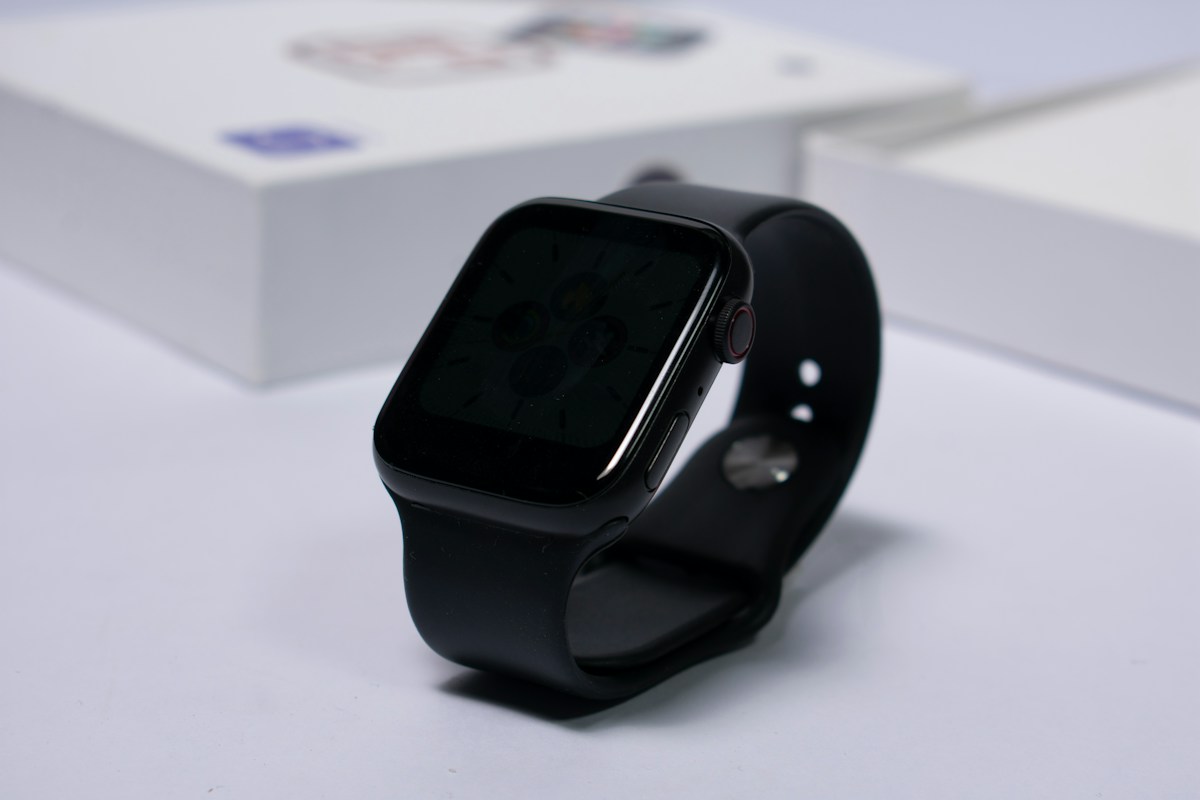
Apple Watch Series 9 is the most accessible health wearable for everyday users. The ECG and AFib detection are genuinely clinical-grade. VO2 max estimation and sleep tracking are useful but less accurate than dedicated devices. Best for users who want one device for everything.
Top Picks
As an Amazon Associate, Longevity Intel earns from qualifying purchases. We may also earn a commission from other retailer links — at no extra cost to you. Commissions never influence rankings or scores. How we stay independent
Apple Watch Series 9
Apple · $399.00
Price accurate as of July 2026 — see retailer for current price & availability.
Pros
- FDA-cleared ECG and AFib detection
- Fall detection and crash detection
- Strong app ecosystem
- Best-in-class notification integration
- VO2 max estimation
- Irregular rhythm notification
Cons
- HRV accuracy trails WHOOP and Oura
- Sleep tracking less accurate than Oura
- Daily charging requirement
- Requires iPhone
Affiliate link · we may earn a commission
Apple Watch Ultra 2
Apple · $799.00
Price accurate as of July 2026 — see retailer for current price & availability.
Pros
- All Series 9 health features
- 60-hour battery life
- More accurate GPS for outdoor training
- Depth gauge for diving
- Brighter display
Cons
- Very expensive
- Same health sensor accuracy as Series 9
- Heavy for everyday wear
Affiliate link · we may earn a commission
Apple Watch Health Features: Separating Signal from Noise
Apple Watch Series 9 has over 30 "health" features listed in its marketing materials. Most are novelties. A handful are genuinely clinically meaningful. Understanding which are which is essential for using the device as a longevity tool rather than a fitness gadget.
Here are the features ranked by clinical evidence and longevity relevance.
Tier 1: Clinically Validated (FDA-Cleared)
1. ECG (Electrocardiogram)
Evidence level: Clinical-grade
The single most clinically important feature on any consumer wearable. Apple Watch's optical and electrical sensors can record a single-lead ECG in 30 seconds — sufficient to detect atrial fibrillation (AFib) and other rhythm abnormalities with high accuracy.
FDA clearance: Series 4 and later — cleared as a Class II medical device for AFib detection
Clinical validation: Apple Heart Study (419,297 participants) found the irregular rhythm notification had a positive predictive value of 84% for AFib detection. That is clinical-grade performance.
Why it matters for longevity: AFib affects approximately 2–3% of adults and is the leading cause of cardioembolic stroke. Most AFib is paroxysmal — it comes and goes, often during sleep or low-activity periods, and may not be caught during a standard ECG at a physician's office. Continuous monitoring and on-demand ECG dramatically improve detection.
Multiple real-world case reports document Apple Watch alerting users to previously unknown AFib that led to treatment preventing stroke.
How to use it: Record an ECG weekly, particularly if you are over 50 or have cardiovascular risk factors. Record immediately during any episode of palpitations or irregular heartbeat.
2. Irregular Rhythm Notification
Evidence level: Clinical-grade
Background algorithm that continuously analyses heart rhythm during inactive periods and notifies you of irregular rhythms suggestive of AFib — even without you actively recording an ECG.
FDA clearance: Cleared for AFib notification in the US
The combination of on-demand ECG and passive rhythm monitoring gives Apple Watch the most clinically meaningful cardiac monitoring of any consumer device. Dedicated cardiac monitors (like KardiaMobile) may be slightly more accurate for a single reading, but lack the passive continuous monitoring.
Tier 2: Useful, Moderate Accuracy
3. VO2 Max Estimation (Cardio Fitness)
Evidence level: Moderate — useful for trends
Apple Watch estimates VO2 max from heart rate and GPS pace data during outdoor walks and runs. Results are presented as "Cardio Fitness" in the Health app, categorised as Low/Below Average/Above Average/High/Excellent.
Accuracy: Apple's algorithm, independently validated, shows approximately ±10–15% error vs laboratory VO2 max testing. Less accurate than Garmin's FirstBeat algorithm. More accurate than no estimate at all.
Why it matters: VO2 max is the single strongest independent predictor of all-cause mortality — stronger than blood pressure, smoking status, or cholesterol. A "Low" cardio fitness notification from Apple Watch is a clinically meaningful signal to address.
Important limitation: Apple's categories are conservative — many people in the "Above Average" range would benefit from improvement. Use the estimate as a trend (is it improving?) rather than as an absolute value.
4. Heart Rate Variability (HRV)
Evidence level: Moderate — less accurate than dedicated devices
Apple Watch measures HRV using a 1-minute on-demand measurement (available via the Breathe app or Health app). This spot-check method is less accurate and reproducible than WHOOP or Oura's sleep-based HRV measurement.
What it gives you: Directional information about your current autonomic state. A low HRV reading after poor sleep or heavy training is meaningful. Single readings should not be over-interpreted.
Limitation vs WHOOP/Oura: Both WHOOP and Oura measure HRV during sleep when the body is in a stable state — producing more reproducible and clinically accurate readings. Apple's on-demand measurement is subject to confounding from recent activity, posture, and stress.
Use it for: Quick check after stress or sleep. Do not base training decisions on single Apple Watch HRV readings.
5. Sleep Tracking
Evidence level: Moderate
Apple Watch Series 9 provides sleep stage tracking (Core/Deep/REM/Awake) when worn overnight. Battery life allows overnight wear on most days.
Accuracy vs Oura Ring: Multiple validation studies show Apple Watch sleep staging accuracy trails Oura Ring significantly — particularly for deep sleep and REM detection. Apple Watch is better than nothing; Oura is substantially better for sleep optimisation.
Best use of Apple Watch sleep data: Tracking sleep duration trends and identifying nights of poor sleep rather than optimising specific sleep stages. If sleep is your primary optimisation target, the Oura Ring is worth the additional investment.
Tier 3: Useful Safety Features
6. Fall Detection
Evidence level: High for the intended population
Series 4 and later can detect hard falls and automatically call emergency services if the wearer is unresponsive. Validated in multiple studies — both real-world reports of lives saved and clinical assessments of sensitivity and specificity.
Most relevant for: Adults over 65 (falls are the leading cause of injury death in this age group), anyone with a neurological condition, and those who exercise alone.
7. Blood Oxygen (SpO2)
Evidence level: Limited — use with caution
Apple Watch Series 6+ measures blood oxygen saturation using optical sensors.
Important limitation: Consumer SpO2 sensors (not just Apple Watch — all wrist-based optical sensors) have meaningful inaccuracies, particularly at lower SpO2 values. They are not medical-grade pulse oximeters.
Practical use: Identify trends and flag very low readings for follow-up. Do not rely on Apple Watch SpO2 for clinical decisions (e.g., during COVID or suspected respiratory illness — use a dedicated fingertip pulse oximeter for $15–30 instead).
Apple Watch vs Dedicated Health Devices
| Feature | Apple Watch | WHOOP | Oura Ring | |---------|------------|-------|-----------| | ECG / AFib | ✓ FDA cleared | ✗ | ✗ | | HRV accuracy | Moderate | Excellent | Excellent | | Sleep staging | Moderate | Good | Excellent | | VO2 max | Moderate | ✗ | ✗ | | GPS | ✓ | ✗ | ✗ | | Battery life | 18 hrs | 4–5 days | 7 days | | Notifications | Excellent | ✗ | ✗ | | Cost | $399 | $239+$30/mo | $299+$5.99/mo |
For most people: Apple Watch is the right choice if you want one device that handles notifications, fitness, and health monitoring. The ECG and AFib detection alone justify serious consideration for anyone over 50.
If longevity data is the priority: WHOOP (HRV/recovery) or Oura (sleep) are meaningfully more accurate for their respective specialties. Many serious biohackers wear both Apple Watch and Oura Ring.
Getting the Most From Apple Watch Health Features
- Set up ECG: Open the Health app, complete the ECG setup. Record weekly and immediately during any palpitation episode
- Enable irregular rhythm notification: Settings → Health → Heart → Irregular Rhythm Notifications
- Establish Cardio Fitness baseline: Record 3+ outdoor walks or runs to get initial VO2 max estimate
- Wear overnight: The sleep and overnight HRV data is more useful than daytime readings
- Share health data with your physician: Apple Health can export PDF reports — bring to annual physicals
About the Author
Editorial Team
Collaborative articles researched and maintained by the Longevity Intel editorial team. Medical review is shown only when a named reviewer and review date are recorded for the article.
Related in Zone 2 & VO₂ Max
Continue your research
Continue Reading
Related Articles
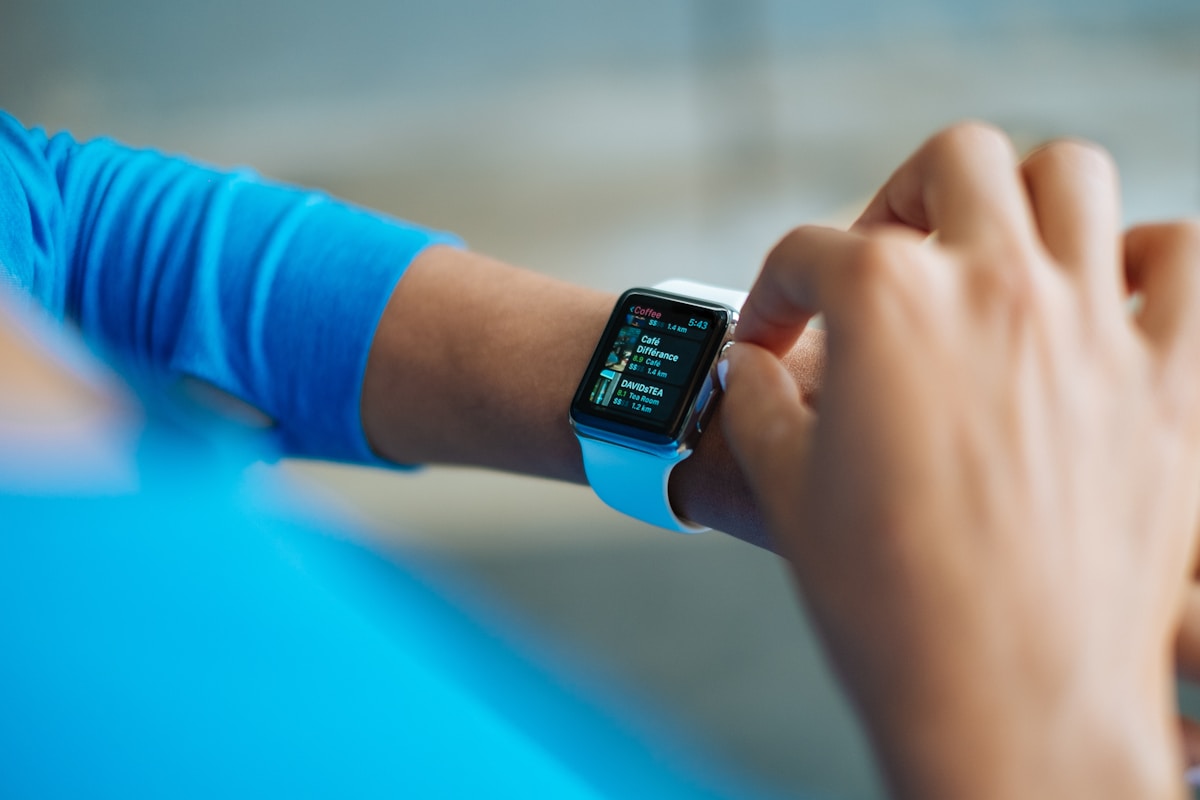
Garmin Fenix 7 Review: A GPS Watch With Longevity Metrics
The Garmin Fenix 7 is a GPS multisport watch with HRV Status, Body Battery, and VO2 max estimates. A research summary from Garmin's specifications and published validation studies; we have not tested it ourselves.
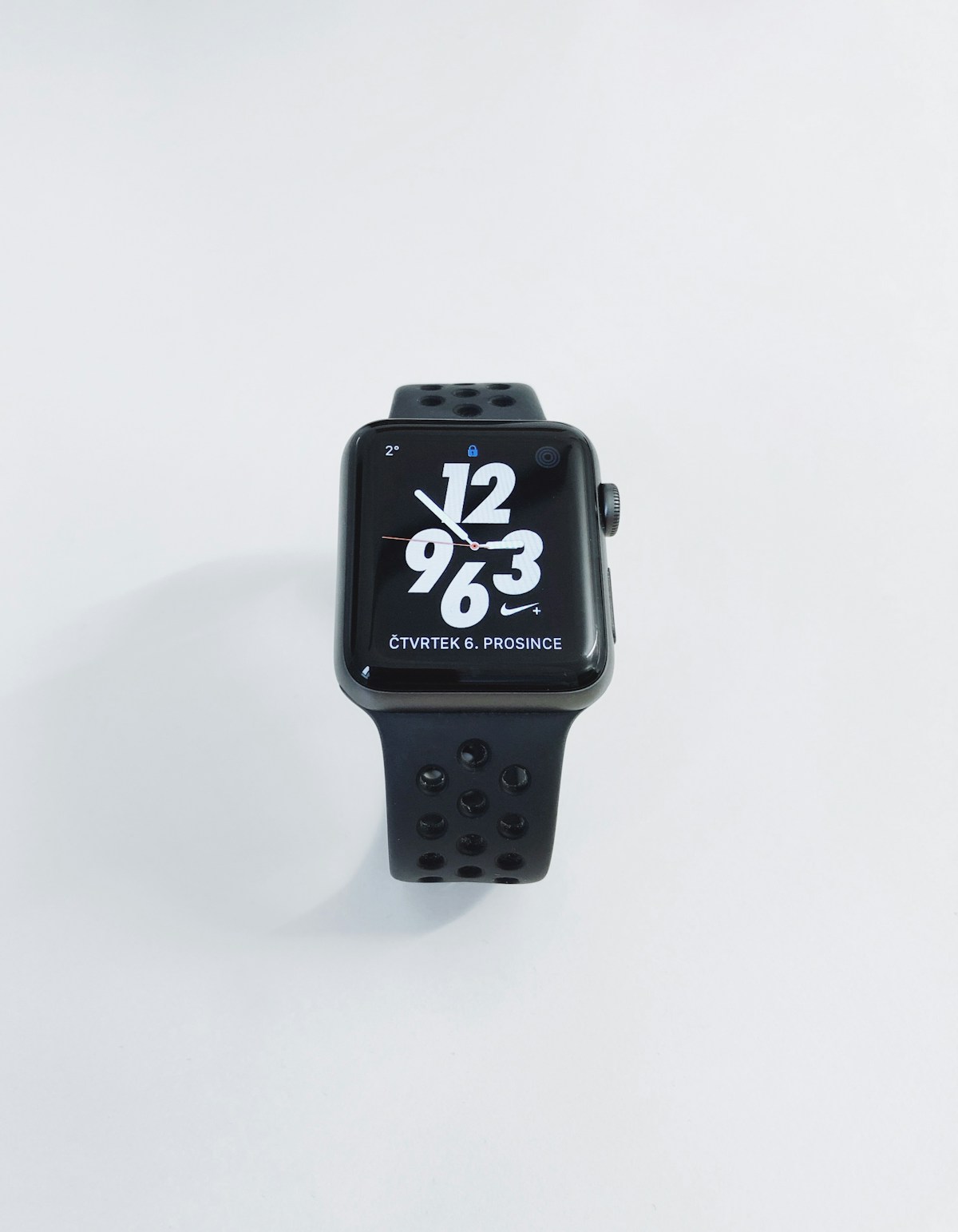
Garmin vs WHOOP: Which Training Wearable Is Right for Longevity?
Garmin and WHOOP take fundamentally different approaches to health tracking. Garmin is a GPS sports computer that also tracks health. WHOOP is a recovery platform that also tracks activity. Here's the head-to-head for longevity-focused users.
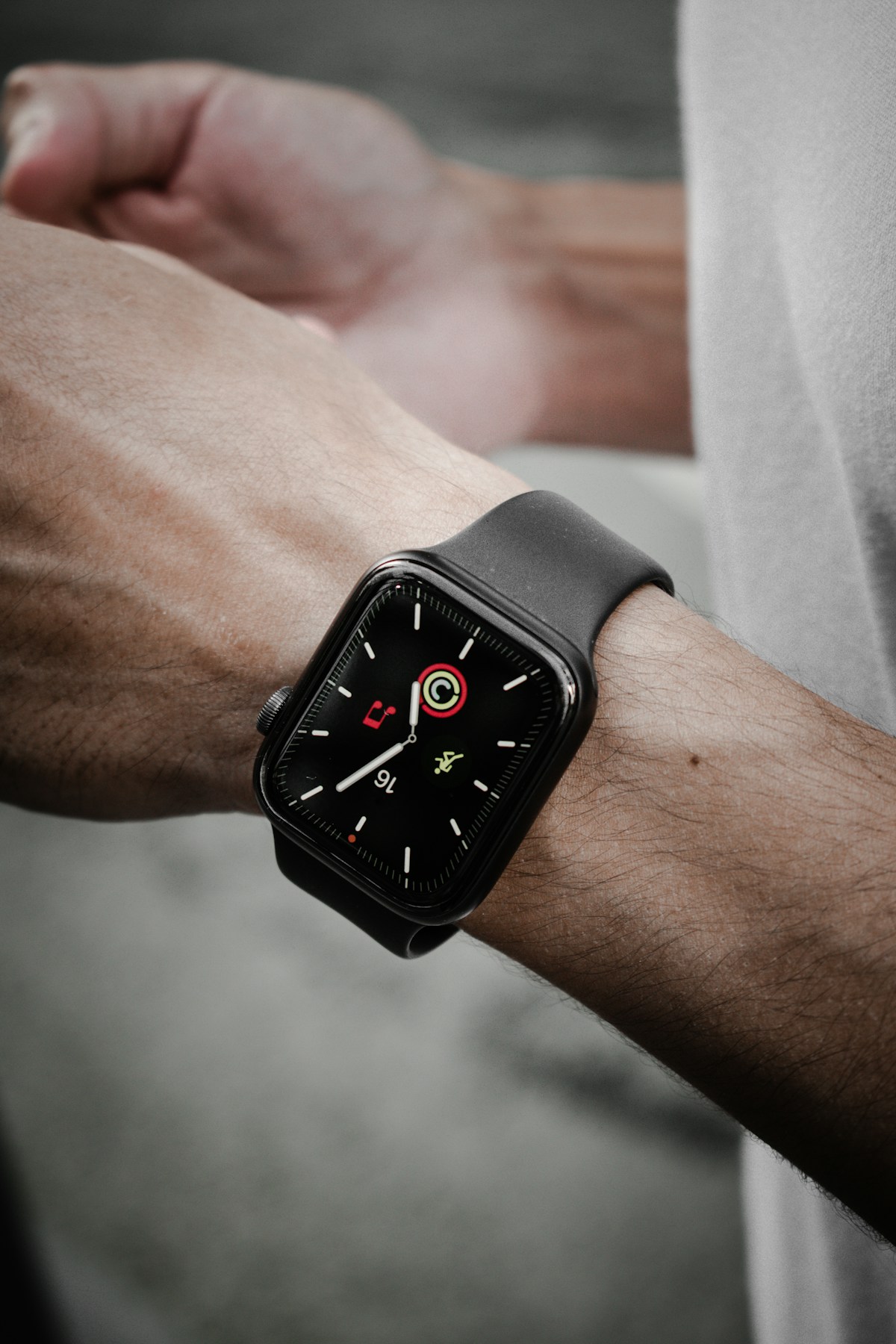
Oura Ring Gen 3 Review: A Sleep Tracker for Longevity?
Oura Ring Gen 3 research summary: what published studies say about sleep staging, readiness scoring, temperature sensing, subscription cost, and how it compares with WHOOP.