WHOOP 5 Review 2026: Features, Evidence & Limitations
A documentation-based WHOOP 5 and WHOOP MG review covering current plans, battery claims, ECG scope, recovery metrics, and what older validation studies can—and cannot—establish.
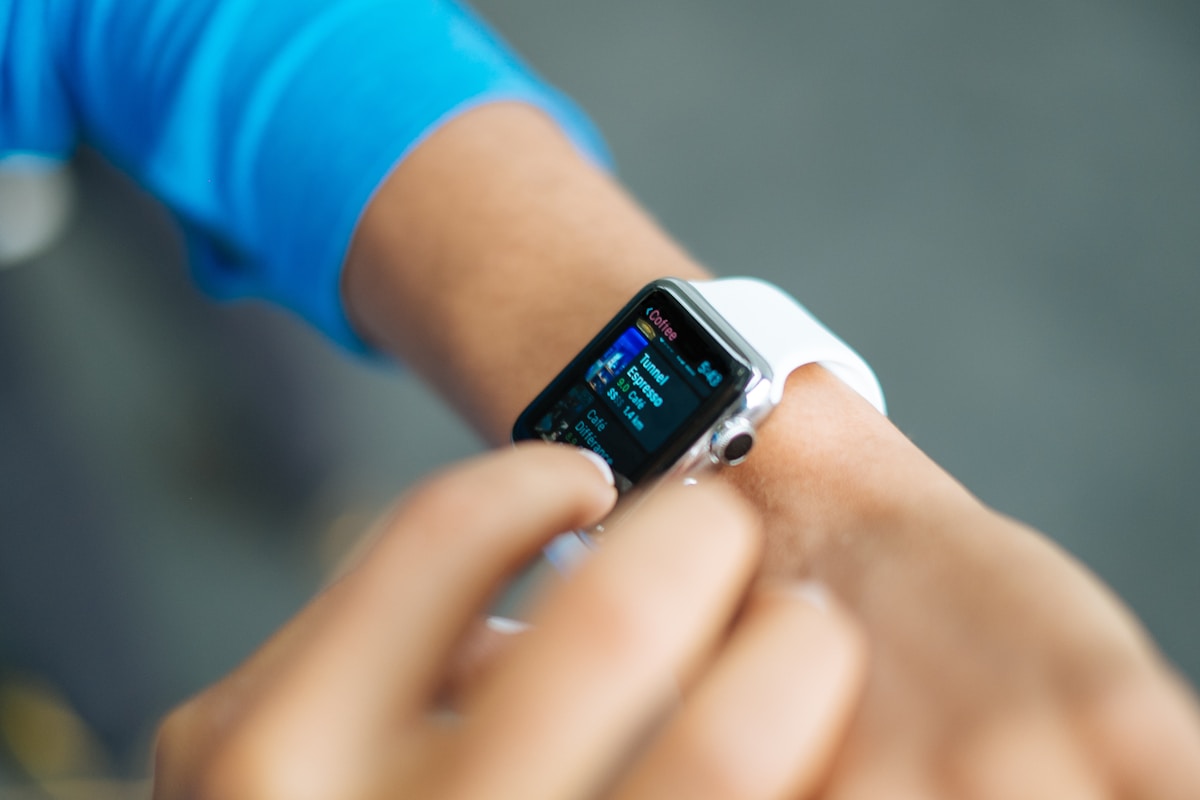
Quick Verdict
WHOOP 5 is a screen-free subscription wearable built around recovery, sleep, strain, and health trends. Current product features are well documented, but independent validation remains generation-specific and the device is not a substitute for clinical testing.
Research status: Documentation-based review, updated September 8, 2026. We reviewed current WHOOP product material and published validation literature. We did not verify the former 12-month wear test, purchase record, Polar comparison, illness events, or 300-session dataset, so those claims have been removed. Longevity Intel may earn a commission from eligible links.
Quick answer
WHOOP 5 is the current mainstream WHOOP hardware; WHOOP MG is the higher-tier model with an ECG feature. Both are screen-free devices centered on recovery, sleep, strain, and longer-term trends. WHOOP advertises a smaller form factor and longer battery life than WHOOP 4.0.
The important evidence limit is generational: published studies of “WHOOP” often tested older hardware and algorithms. Their findings should not be copied directly onto WHOOP 5 or MG.
Current hardware and plans
WHOOP's May 2025 launch material introduced WHOOP 5.0 and WHOOP MG. It advertised:
- a form factor 7% smaller than WHOOP 4.0;
- enhanced sensors sampling 26 times per second;
- Healthspan features including WHOOP Age and Pace of Aging;
- sleep, strain, recovery, steps, VO₂ max, and 145+ supported activities;
- an ECG-capable Heart Screener on WHOOP MG;
- annual US launch prices of $199 for One, $239 for Peak, and $359 for Life.
WHOOP's same release contains inconsistent battery wording: its headline says 14+ days, while a later hardware paragraph says 4+ days per charge and describes longer use with the Wireless PowerPack. Check the live plan page and terms before buying rather than relying on a single marketing number.
WHOOP 5.0 and MG launch announcement
What the metrics mean
WHOOP turns optical heart-rate and motion data into proprietary outputs such as Recovery, Strain, and Sleep Performance. These scores can help structure a personal trend review, but they are not direct laboratory measurements.
For HRV, compare readings under similar conditions and focus on your own repeated baseline. A single low value can reflect sleep, alcohol, illness, training load, measurement noise, or ordinary variation. It does not diagnose overtraining, infection, heart disease, or autonomic dysfunction.
What validation supports
A 2024 systematic review compared Fitbit Charge 4, Garmin Vivosmart 4, and WHOOP sleep estimates with polysomnography or an ambulatory EEG reference. Only eight studies met its criteria. WHOOP had relatively small disagreement for some duration estimates but larger disagreement for REM sleep, and the authors concluded that all devices could improve sleep-stage assessment.
That review is useful for understanding consumer-wearable limitations. It is not an independent validation of WHOOP 5 or WHOOP MG, which were introduced later.
Systematic review of consumer sleep wearables (2024)
An earlier validation study frequently cited in WHOOP discussions evaluated a prior device generation against reference measures. It should be labeled by the tested hardware and protocol, not presented as a universal accuracy guarantee for current models.
Earlier WHOOP validation record
ECG and health features
WHOOP says its MG model includes an FDA-cleared ECG feature for spot readings and atrial-fibrillation screening. That feature is model- and region-dependent. It does not make continuous optical HR, HRV, Recovery, or blood-pressure insights equivalent to a medical ECG or clinician diagnosis.
Blood Pressure Insights are described by WHOOP as estimates. Anyone with symptoms, a known cardiovascular condition, or concerning readings should use validated medical equipment and professional care rather than a wearable score.
Practical strengths
- Screen-free form factor can reduce distraction.
- Recovery, sleep, and strain are presented in one longitudinal interface.
- On-wrist charging is designed to reduce missing-data gaps.
- Personal baselines can make behavior experiments easier to review.
- WHOOP MG adds a defined ECG feature for eligible users and regions.
Practical limitations
- Ongoing membership cost is central to the product.
- Proprietary scores cannot be independently reconstructed from raw inputs.
- Accuracy can vary with movement, fit, skin contact, activity, and algorithm version.
- Sleep-stage estimates remain less certain than sleep/wake and duration estimates.
- Published evidence on older generations does not automatically validate current hardware.
- A recovery score cannot determine whether exercise is medically safe.
Who it may suit
WHOOP may fit people who train regularly, prefer no screen, will use daily trend feedback, and accept a subscription. It is less attractive for buyers who want maps and navigation on the device, dislike recurring fees, or need clinically validated diagnostic measurements.
Before choosing, compare the current plan inclusions and region-specific availability with WHOOP vs Oura and the fitness tracker evidence guide.
A better way to evaluate it
Use a simple personal record for four weeks:
- Record device, firmware, plan, wear location, and date.
- Keep bedtime, alcohol, illness, and training notes.
- Compare trends only under similar measurement conditions.
- Record missing data and obvious sensor failures.
- Do not change medication or training safety decisions from a score alone.
- If accuracy matters clinically, compare with an appropriate validated reference under professional guidance.
Bottom line
WHOOP 5 offers a coherent recovery-and-training workflow, not proven longevity extension or medical diagnosis. Its documented product features are current; much of the independent validation literature is not. Buy it for the workflow and trend feedback only if the annual cost and evidence limits make sense for you.
Related guides
About the Author
Editorial Team
Collaborative articles researched and maintained by the Longevity Intel editorial team. Medical review is shown only when a named reviewer and review date are recorded for the article.
Related in Longevity Wearables
Continue your research
Continue Reading
Related Articles
Oura Ring Gen 3 Review: A Sleep Tracker for Longevity?
Oura Ring Gen 3 research summary: what published studies say about sleep staging, readiness scoring, temperature sensing, subscription cost, and how it compares with WHOOP.
WHOOP 5.0 vs Oura Ring 4: Evidence, Cost, and Trade-offs
WHOOP 5.0 and Oura Ring 4 compared for recovery, sleep, battery life, cost, and published validation—with no unsupported hands-on claims.
Garmin vs WHOOP: Which Training Wearable Is Right for Longevity?
Garmin and WHOOP take fundamentally different approaches to health tracking. Garmin is a GPS sports computer that also tracks health. WHOOP is a recovery platform that also tracks activity. Here's the head-to-head for longevity-focused users.