Best Infrared Home Saunas: Researched & Ranked
Best home infrared saunas ranked for longevity: full-spectrum vs far-IR, EMF, build quality, and value. Sunlighten, Clearlight, and portable options compared.
Quick Verdict
Sunlighten mPulse Believe offers programmable full-spectrum protocols, based on the manufacturer's specifications. For budget-conscious buyers, the SereneLife portable infrared tent delivers real benefits at a fraction of the cost.
Top Picks
As an Amazon Associate, Longevity Intel earns from qualifying purchases. We may also earn a commission from other retailer links — at no extra cost to you. Commissions never influence rankings or scores. How we stay independent
Sunlighten mPulse Believe
Sunlighten · $7,995
Price accurate as of July 2026 — see retailer for current price & availability.
Pros
- Full-spectrum: near, mid, and far infrared
- Chromotherapy LED lighting
- Programmable health protocols (detox, cardio, anti-aging)
- Medical-grade SoloCarbon heaters
- Bluetooth + in-sauna tablet
- Best-in-class EMF shielding
Cons
- Very expensive
- Requires professional installation (240V)
- Large footprint — needs dedicated space
Affiliate link · we may earn a commission
Clearlight Sanctuary 2
Clearlight · $4,999
Price accurate as of July 2026 — see retailer for current price & availability.
Pros
- True Wave II carbon/ceramic heaters
- Ultra-low EMF and ELF
- Solid Western red cedar construction
- 2-person capacity
- Good warranty (lifetime on heaters)
Cons
- Far-infrared only (no near or mid)
- Basic controls vs. Sunlighten
- Delivery/installation logistics complex
Affiliate link · we may earn a commission
SereneLife Portable Infrared Sauna
SereneLife · $299
Price accurate as of July 2026 — see retailer for current price & availability.
Pros
- Affordable entry point
- Portable — sets up in minutes
- Reaches 140°F
- Folds flat for storage
Cons
- Far-infrared only, lower power
- No full-body immersion (head out)
- Cheaper build quality
- Higher EMF than cabin saunas
Affiliate link · we may earn a commission
Why Sauna Is One of the Best-Evidenced Longevity Interventions
Of all the longevity practices covered on LongevityLab, sauna use has some of the most compelling human epidemiological evidence available — and it's not even close.
The landmark KIHD study (Kuopio Ischemic Heart Disease Risk Factor Study) followed 2,315 middle-aged Finnish men for 20 years. Results:
- Men who used sauna 2–3x per week had 27% lower cardiovascular mortality vs. once-weekly users
- Men who used sauna 4–7x per week had 50% lower cardiovascular mortality
- 63% reduction in sudden cardiac death with high-frequency sauna use
- 66% reduction in dementia risk, 65% reduction in Alzheimer's risk
These effects persisted after controlling for cardiovascular risk factors, physical activity, and socioeconomic status. The effect size rivals some pharmaceutical interventions.
Infrared vs Traditional: The Key Differences
| Factor | Traditional (Finnish/Löyly) | Far Infrared | Near Infrared | |--------|--------------------------|-------------|--------------| | Temperature | 160–212°F (71–100°C) | 120–150°F (49–65°C) | 104–140°F (40–60°C) | | Humidity | High (with steam) or dry | Dry | Dry | | Heat source | Rock stove | Carbon/ceramic panels | LED panels | | Tissue penetration | Surface | 1.5–2 inches | 3–4+ inches | | Session length | 10–15 min per round | 30–45 min | 30–45 min | | Cardiovascular stress | High | Moderate | Low–Moderate | | Evidence base | Strongest (most RCTs) | Good | Emerging |
Which type is better for longevity?
The KIHD study used traditional Finnish saunas. The majority of cardiovascular mortality data comes from traditional high-temperature sauna use.
Infrared saunas operate at lower temperatures but heat tissue more directly. The cardiovascular stimulus is real but likely less intense. For people who cannot tolerate extreme heat (elderly, cardiovascular conditions), infrared offers a gentler alternative with meaningful benefits.
Full-spectrum infrared (near + mid + far) is the most comprehensive: near-IR for cellular/mitochondrial benefits (similar to red light therapy), mid-IR for pain and inflammation, far-IR for core temperature elevation and the cardiovascular response.
How Sauna Works: The Physiology
Heat shock proteins (HSPs)
Sauna heat triggers the synthesis of heat shock proteins, particularly HSP70 and HSP90. These molecular chaperones:
- Refold damaged proteins — reducing cellular junk accumulation
- Protect against cellular stress
- Are associated with longevity in multiple animal models
Cardiovascular adaptation
Heart rate during sauna reaches 120–150 BPM — comparable to moderate exercise. The body increases cardiac output to redirect blood to the skin for cooling. Over time:
- Reduced resting heart rate
- Improved arterial compliance (stiffer arteries age faster)
- Increased plasma volume
Growth hormone release
A 2-hour sauna session (with cool-down periods) has been shown to increase growth hormone by up to 500%. This effect is protocol-dependent and likely requires intermittent exposure with cooling.
BDNF (Brain-derived neurotrophic factor)
Sauna increases BDNF — the same neurotrophic factor that exercise elevates. BDNF promotes neuroplasticity, protects against neurodegeneration, and is associated with reduced depression.
Sunlighten mPulse Believe — Best Overall
The mPulse is a full-spectrum home sauna. Based on the manufacturer's specifications, what separates it:
Full-spectrum capability: Three separate heater types deliver near-IR (700–1400nm), mid-IR (1400–3000nm), and far-IR (3000nm+). Most infrared saunas are far-IR only. The programmable protocols target different outcomes:
- Detoxification protocol: Far-IR dominant, 130°F, 37 min — maximises core temp for sweat-based detoxification
- Cardiovascular protocol: Combination spectrum, 127°F — designed to replicate cardiovascular sauna study protocols
- Anti-aging protocol: Near and mid-IR dominant — collagen stimulation, cellular repair
SoloCarbon heaters: Sunlighten states that its proprietary carbon heaters emit mostly far-infrared. We have not independently measured this.
EMF safety: Sunlighten publishes low-EMF specifications for its saunas, and Clearlight markets its Sanctuary line on very low EMF. We have not measured either; check each manufacturer's published EMF figures and testing conditions. Clearlight emphasises EMF; Sunlighten emphasises spectrum.
At $7,995, this is a long-term investment. Amortised over 10 years of 4x/week use, that's $5.40 per session — comparable to a gym membership.
Clearlight Sanctuary 2 — Premium Far-Infrared
The Clearlight is the choice of many longevity doctors who prioritise EMF minimisation and pure far-IR exposure. The manufacturer states that the True Wave II carbon/ceramic combination heaters are designed for very low EMF.
The Western red cedar construction is beautiful and naturally antimicrobial. The 2-person capacity makes it practical for couples.
The limitation: Far-IR only. If you want the near-IR photobiomodulation benefits (the red light therapy equivalent), you'd need to supplement with a separate red light panel.
SereneLife Portable Sauna — Entry Point
Don't dismiss the portable sauna. At $299, it's genuinely accessible and is designed to produce a heat stress response, with sweating and a rise in body temperature.
The limitations are real: Head-out design means your neck and head don't heat with the body (suboptimal for full protocols). EMF is higher at the panels due to proximity. The experience is less comfortable than a cabin.
Who it's for: Renters who can't install a cabin sauna, those testing whether sauna works for them before investing, or as a travel option.
Sauna Protocol: How to Get Maximum Longevity Benefits
Based on the KIHD data and subsequent research:
Frequency
- Minimum: 2–3x per week for cardiovascular benefits
- Optimal: 4–7x per week (strongly associated with mortality reduction)
Duration & Temperature (Traditional)
- 15–20 minutes at 170–185°F
- 2–3 rounds with 10-minute cool-down between
- Total: ~1 hour including cool-downs
Duration & Temperature (Infrared)
- 30–45 minutes at 120–145°F
- Single session (no rounds needed)
Timing
- Post-exercise — compounds cardiovascular stimulus
- Evening — passive body cooling post-sauna promotes sleep onset
- Avoid immediately before strength training (may blunt acute performance)
Hydration
- 500ml before, 500ml–1L during/after
- Electrolytes if sweating heavily (sodium, potassium, magnesium)
- Alcohol + sauna is dangerous — avoid
Cold exposure pairing
Hot-cold contrast therapy amplifies the hormetic stress response:
- Sauna: 15–20 min
- Cold shower or plunge: 1–3 min
- Repeat 2–3 rounds
- End on cold for maximum norepinephrine response
This protocol mimics traditional Nordic sauna culture and has separate evidence for cardiovascular adaptation.
Safety Considerations
Who should be cautious:
- Active cardiovascular disease — consult physician before starting
- Pregnancy — avoid hyperthermia
- Anyone on medications that impair sweating or heat dissipation
- Hypertension — sauna is generally beneficial but start gradually
Sauna and alcohol: Never mix. Alcohol impairs thermoregulation and dramatically increases cardiovascular risk during sauna.
Final Verdict
For longevity-focused buyers who can afford it: Sunlighten mPulse Believe. Full-spectrum infrared, programmable protocols, and build quality that will last decades.
For EMF-sensitive buyers or those wanting pure far-IR: Clearlight Sanctuary 2.
For most people starting out: SereneLife portable — experience the benefits for $299 before committing to a cabin.
The most important factor isn't which sauna you buy — it's using it consistently. 4–7 sessions per week is the sweet spot for cardiovascular mortality reduction. A $300 portable sauna used regularly beats a $8,000 cabin collecting dust.
Related guides (build the full heat + cold protocol)
- Sauna Protocol — temperature, duration, and weekly frequency for longevity outcomes
- Sauna types compared — infrared vs traditional vs hybrid trade-offs
- Sunlighten mPulse deep review — full-spectrum cabin deep dive
- Best cold plunges — pair heat with cold for contrast therapy
- Cold exposure protocol — how to add plunge or shower safely
- Sunlighten mPulse review — evidence and product details
Research status: this page is a research summary from manufacturer specifications and published studies; we have not tested these products ourselves. Longevity Intel may earn a commission on affiliate links at no extra cost to you.
FAQ
Frequently asked questions
What is the best home infrared sauna for longevity?+
Sunlighten mPulse Believe is our top full-spectrum pick. Clearlight Sanctuary 2 is strong for far-infrared and low EMF. SereneLife portable is the best budget entry to test consistency before buying a cabin.
How often should I use a sauna for healthspan benefits?+
Finnish cohort data on traditional sauna suggests higher frequency (about 4–7 sessions/week) associates with lower cardiovascular mortality. Start gradually and get medical clearance if you have cardiovascular disease.
Is infrared as good as traditional sauna?+
The strongest mortality data is from traditional Finnish saunas. Infrared can deliver useful heat stress at lower ambient temperatures and may suit home installation better. Protocol consistency matters more than perfect hardware.
About the Author
Editorial Team
Collaborative articles researched and maintained by the Longevity Intel editorial team. Medical review is shown only when a named reviewer and review date are recorded for the article.
Related in Sauna & Heat Therapy
Continue your research
Continue Reading
Related Articles
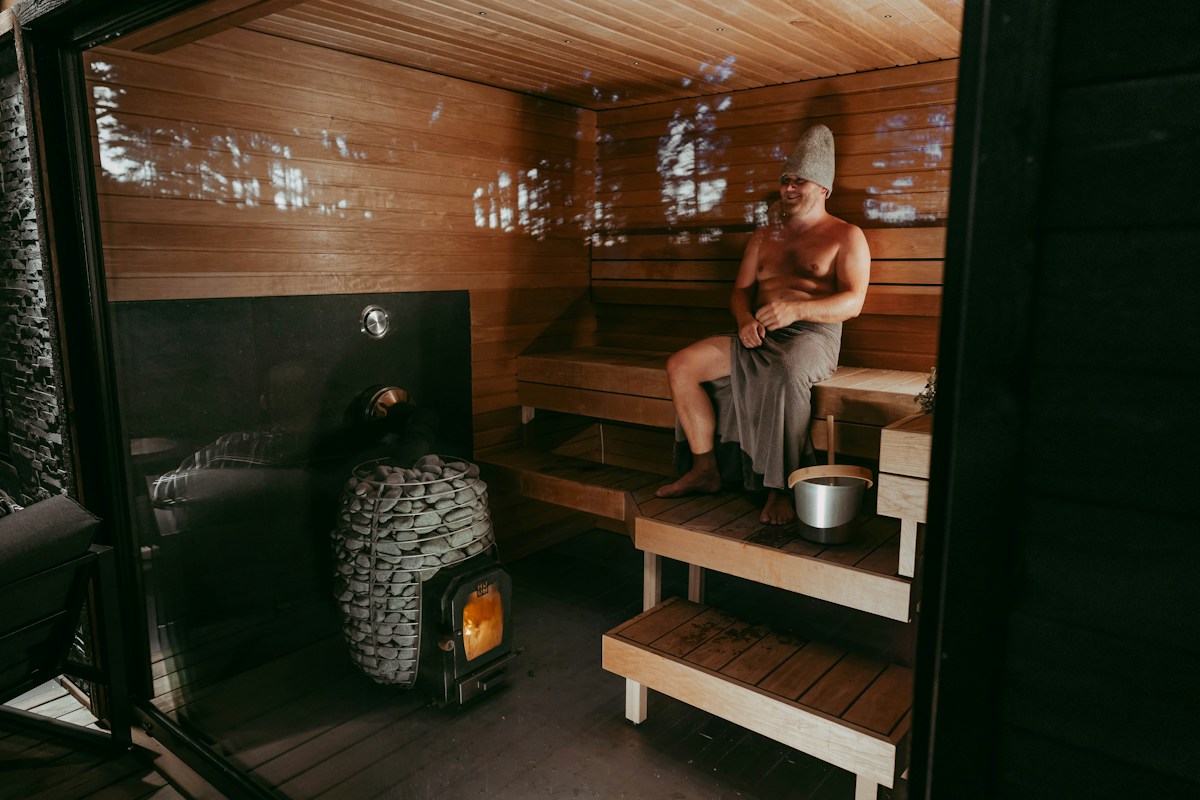
Sunlighten mPulse Believe Review: A Full-Spectrum Home Sauna
The Sunlighten mPulse Believe is a home sauna with full-spectrum infrared and programmable protocols. A research summary from manufacturer specifications and published studies; we have not tested it ourselves.
Best Red Light Therapy Panels: Power, Wavelength & Value
Best red light therapy panels ranked by irradiance, 660/850nm accuracy, EMF, and price. MitoPRO, Joovv, and BioMax compared for recovery and longevity use.
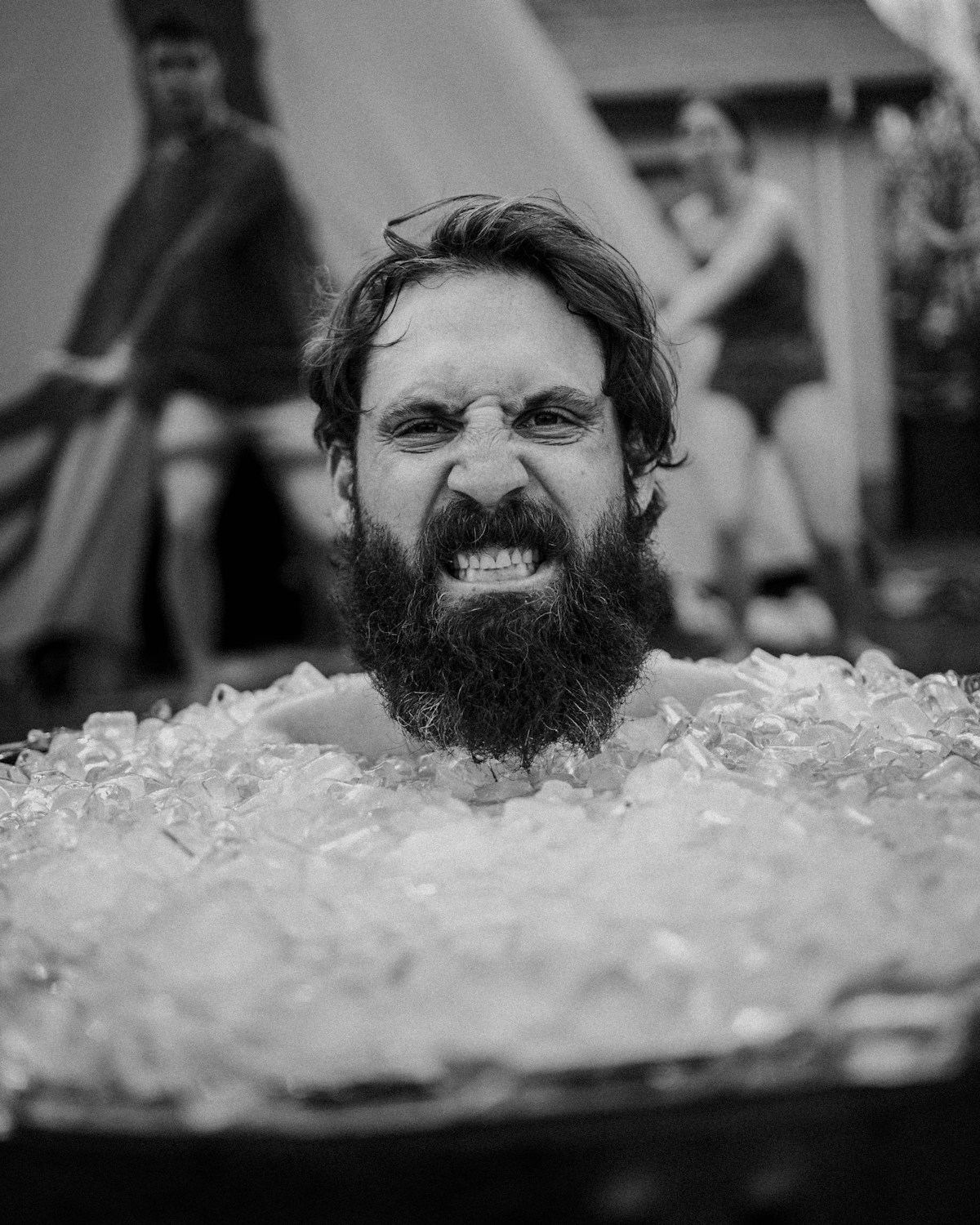
Best Cold Plunges of 2026: Researched for Recovery & Longevity
Best cold plunges and ice baths ranked for temperature, filtration, and value — from DIY chest freezers to The Plunge Pro and Morozko. Plus timing around training.