Massage and Bodywork for Longevity: What the Evidence Shows
Massage is often dismissed as a luxury. The research tells a different story — regular massage reduces cortisol, improves sleep, lowers blood pressure, and accelerates exercise recovery. Here's what the evidence supports.
Quick Verdict
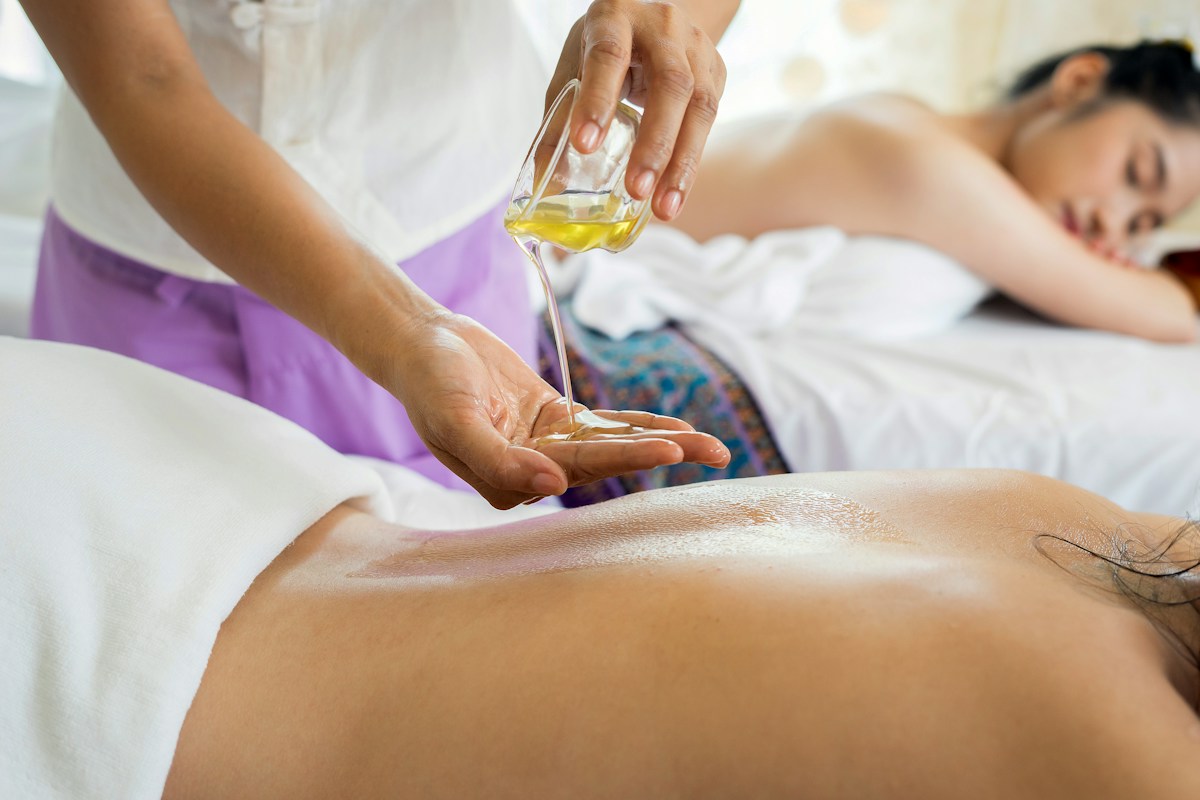
Regular massage (once per month minimum) has genuine evidence for cortisol reduction, sleep improvement, pain management, and exercise recovery. Sports massage and deep tissue work are more effective for athletic recovery; Swedish massage for stress and sleep. Self-massage tools (foam roller, massage guns) provide daily accessibility at low cost.
Top Picks
As an Amazon Associate, Longevity Intel earns from qualifying purchases. We may also earn a commission from other retailer links — at no extra cost to you. Commissions never influence rankings or scores. How we stay independent
Theragun Pro Gen 6
Therabody · $599.00
Price accurate as of July 2026 — see retailer for current price & availability.
Pros
- 2,400 PPM with 16mm amplitude — deepest penetration available
- 6 built-in speeds + app-guided routines
- Bluetooth connected with guided protocols
- Quietest professional-grade percussive device
- Rotatable arm — reaches all body parts solo
Cons
- Very expensive
- Overkill for most users — Theragun Prime ($299) adequate for most
TriggerPoint GRID Foam Roller
TriggerPoint · $36.99
Price accurate as of July 2026 — see retailer for current price & availability.
Pros
- Patented GRID pattern for variable pressure
- Firm enough for effective myofascial release
- Hollow core survives heavy users
- 13" length — fits in gym bag
- Most recommended by physiotherapists
Cons
- Some find the firm texture too aggressive initially
- 13" too short for full back rolling
Affiliate link · we may earn a commission
The Evidence Base for Massage
Massage therapy has been practiced for thousands of years. The modern research base, while not as rigorous as pharmaceutical trials, consistently demonstrates real biological effects.
Cortisol and Stress
Field et al. (multiple studies, Touch Research Institute at University of Miami): A systematic programme of research on massage physiology. Consistent findings across studies:
- 30-minute massage reduces cortisol by approximately 30%
- Increases serotonin by 28% and dopamine by 31% on average
- Reduces anxiety scores in healthcare workers, pregnant women, and general adults
Moraska et al. (2010, Journal of Alternative and Complementary Medicine): Swedish massage 45 minutes/week for 4 weeks produced significant reduction in hypothalamic-pituitary-adrenal axis reactivity to stress — lasting beyond the massage sessions themselves.
This HPA axis modulation is the mechanism behind the sustained stress-reduction benefits that accumulate with regular massage.
Sleep Quality
Field et al. (2000): Massage therapy in adults with chronic low back pain significantly improved sleep quality in addition to pain reduction. The cortisol-lowering mechanism likely explains the sleep improvement — lower evening cortisol facilitates melatonin production.
Preterm infant data (extensively studied): Premature infants receiving regular gentle massage show faster weight gain, improved sleep architecture, and shorter hospitalisation. This is one of the strongest human datasets establishing that touch and massage have direct biological effects beyond relaxation.
Blood Pressure and Cardiovascular
Kaye et al. (2008, Journal of Alternative and Complementary Medicine): 50-minute massage in hypertensive patients produced significant reductions in both systolic and diastolic blood pressure lasting several days.
Mechanism: Massage activates the parasympathetic nervous system (reducing sympathetic tone), stimulates baroreceptors in the skin, and reduces cortisol — all of which lower blood pressure.
Exercise Recovery
The exercise recovery evidence is mixed but directionally positive:
Meta-analysis (Guo et al., 2017): Massage after intense exercise significantly reduced DOMS (delayed-onset muscle soreness) at 24 and 48 hours post-exercise. Effect was strongest when massage was applied within 2 hours of exercise.
Lactate clearance: Some studies show sports massage improves lactate clearance between training sessions; others show no significant effect vs passive rest. The practical conclusion: massage probably does not meaningfully improve acute lactate clearance but does reduce the perception of effort and soreness.
Performance: Massage immediately pre-exercise may reduce maximal strength output (reduced neuromuscular readiness). Best applied 24+ hours before competition, not immediately before.
Types of Massage and Their Uses
Swedish Massage
What it is: Long, flowing strokes with moderate pressure. The most common massage type in Western spas and clinics.
Best for:
- Stress reduction and cortisol lowering
- Sleep improvement
- General relaxation and parasympathetic activation
- Beginners to massage
Evidence: The most-studied massage type in the research literature. Most of the cortisol and sleep studies cited above used Swedish massage.
Protocol: 60-minute session once per month for maintenance; weekly for active stress management.
Deep Tissue Massage
What it is: Slower strokes with greater pressure directed at deeper muscle layers and fascia.
Best for:
- Chronic muscle tension and pain
- Post-injury soft tissue work
- Addressing specific trigger points
- Athletes with significant muscular tightness
Evidence: Strong for chronic low back pain, neck pain, and shoulder dysfunction. Often combined with active release technique (ART) for maximum effect.
Caution: Deep tissue work should be uncomfortable but not sharply painful. Bruising after a session indicates excessive pressure. Communicate clearly with the therapist.
Sports Massage
What it is: A combination of Swedish, deep tissue, and stretching techniques adapted to athlete needs.
Best for:
- Pre-event preparation (light; activating)
- Post-event recovery (firmer; decompressing)
- Injury prevention
- Addressing training-related muscular imbalances
Protocol for athletes:
- Pre-competition (24–48 hours before): Light sports massage to improve circulation and reduce pre-event anxiety without reducing neuromuscular readiness
- Post-competition (within 24–48 hours): Deeper work to address accumulated tissue damage and accelerate recovery
Myofascial Release
What it is: Slow, sustained pressure applied to the fascial system (the connective tissue that surrounds and interpenetrates every muscle and organ).
Best for:
- Chronic pain conditions
- Postural dysfunction
- Movement restrictions
- Conditions involving fascial tightening (post-surgery, post-injury)
Evidence: Less well-studied than Swedish and deep tissue but clinically used extensively by physiotherapists and osteopaths.
Lymphatic Drainage
What it is: Very light, rhythmic strokes designed to stimulate the lymphatic system — the body's fluid drainage and immune transport network.
Best for:
- Post-surgical swelling
- Lymphedema
- Immune support during illness recovery
- General detoxification (more theoretical than proven)
Evidence: Strong for post-surgical oedema reduction; less clear for general wellness applications.
Self-Massage: Daily Tools
Professional massage is not always accessible or affordable. Self-massage tools provide daily accessibility for targeted work.
Foam Rolling (Self-Myofascial Release)
Evidence: Consistent across multiple RCTs for reducing DOMS and improving range of motion. Rolling after exercise (5–10 minutes) significantly reduces next-day soreness.
How to use:
- Slow, sustained pressure on tender areas (30–90 seconds per area)
- Not the goal to roll fast — the therapeutic effect comes from sustained pressure
- Primary targets: IT band, thoracic spine, quads, hip flexors, calves
- Avoid directly rolling the lumbar spine — use for thoracic extension instead
Best frequency: Daily for 10–15 minutes, particularly after training or prolonged sitting.
Massage Gun (Percussive Therapy)
Evidence: Several small studies show percussive devices reduce DOMS comparably to traditional massage in some parameters. Convenience and accessibility are the primary advantages.
How to use:
- 30–60 seconds per muscle group — do not hover in one spot
- Start at low speed and increase based on comfort
- Use the softer attachments on sensitive areas (hamstrings, back)
- Most effective post-workout and before stretching
Theragun vs Hypervolt: Both are well-regarded. Theragun has deeper amplitude (16mm vs 12mm); Hypervolt is quieter. See our full comparison.
Lacrosse Ball
For targeted trigger point work — particularly the feet (plantar fascia), glutes (piriformis), and shoulders (subscapularis). Costs approximately $3. Most physiotherapists recommend owning one.
Plantar fascia protocol: Roll the foot on the lacrosse ball before getting out of bed in the morning — particularly effective for plantar fasciitis prevention and management.
Massage Stick (Tiger Tail)
For quads, IT band, and calves — easier to apply consistent pressure than a foam roller on these specific areas.
Frequency and Investment
For longevity maintenance (no acute issues):
- Professional massage: Once per month — enough to maintain the HPA and cardiovascular benefits
- Self-massage (foam roller/gun): 3–5 sessions per week, 10–15 minutes each
For active recovery (training 4–5 days/week):
- Professional massage: Bi-weekly (every 2 weeks) — especially sports massage targeting high-load areas
- Self-massage: Daily, particularly for the primary movers in your training
For stress management:
- Weekly Swedish massage during high-stress periods
- Daily self-massage for the neck, shoulders, and scalp (accessible anywhere; immediate cortisol effect)
Cost management:
- Training students at massage schools: 50–70% discount vs licensed therapists; quality is generally excellent under supervision
- Membership programmes (Massage Envy in the US): $65–80/month for one session; reduces the per-session cost of regular access
- Self-massage tools: $30–600 one-time cost; provides daily access at no ongoing cost
Stacking With Other Recovery Protocols
Massage works synergistically with:
Sauna before massage: Heat relaxes muscles and reduces tissue tension — professional massage is more effective when preceded by sauna or hot bath.
Cold exposure after massage: Cold after deep tissue work reduces inflammation and post-massage soreness in sensitive individuals.
Stretching during massage: Thai massage integrates active stretching with bodywork — combines benefits of both. Static stretching after Swedish massage captures the improved tissue pliability produced by the massage session.
Sleep: The cortisol-lowering and parasympathetic activation effects of massage directly improve sleep quality that night — time professional sessions for late afternoon or early evening when possible.
About the Author
Editorial Team
Collaborative articles researched and maintained by the Longevity Intel editorial team. Medical review is shown only when a named reviewer and review date are recorded for the article.
Related in Sleep Optimization
Continue your research
Continue Reading
Related Articles
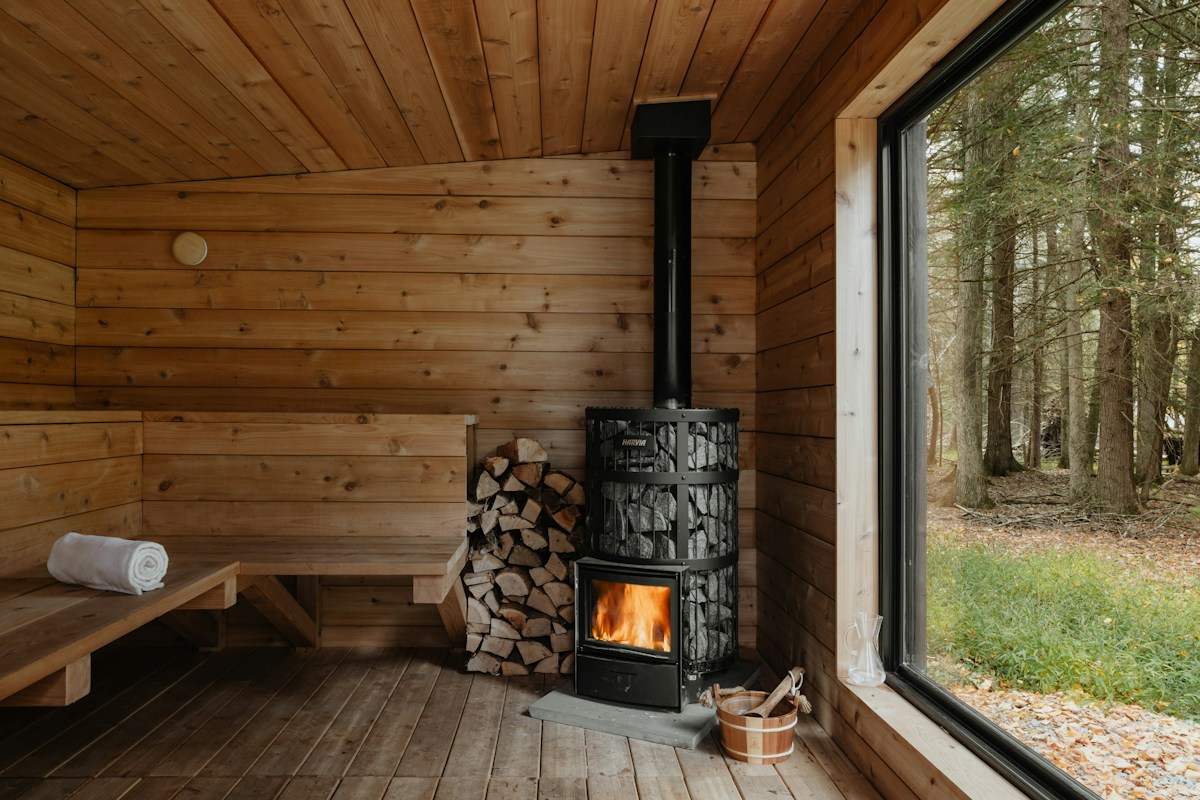
Best Infrared Home Saunas: Researched & Ranked
Best home infrared saunas ranked for longevity: full-spectrum vs far-IR, EMF, build quality, and value. Sunlighten, Clearlight, and portable options compared.
Best Red Light Therapy Panels: Power, Wavelength & Value
Best red light therapy panels ranked by irradiance, 660/850nm accuracy, EMF, and price. MitoPRO, Joovv, and BioMax compared for recovery and longevity use.
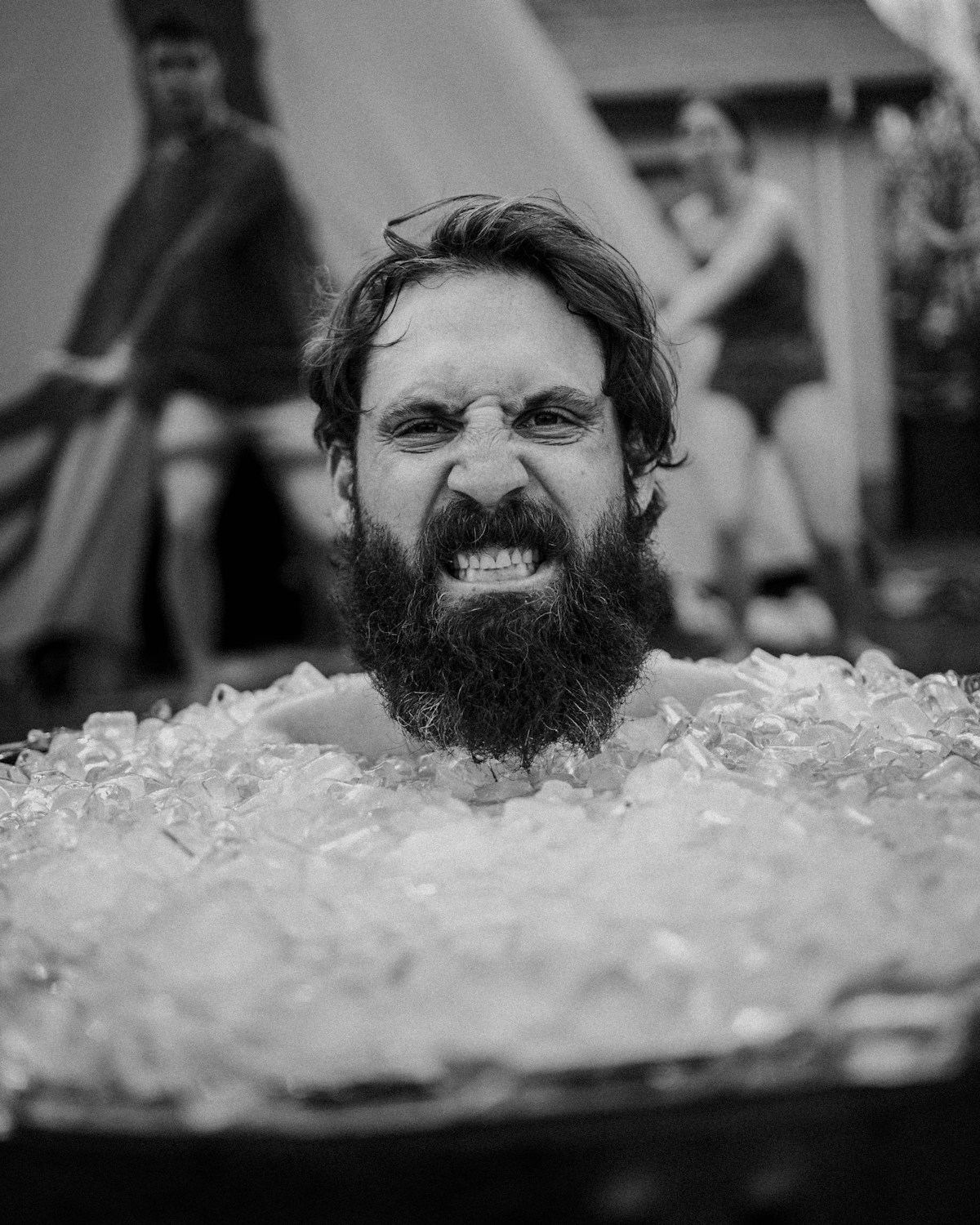
Best Cold Plunges of 2026: Researched for Recovery & Longevity
Best cold plunges and ice baths ranked for temperature, filtration, and value — from DIY chest freezers to The Plunge Pro and Morozko. Plus timing around training.