Taurine: The 2023 Nature Study That Changed Everything
A 2023 Nature paper found taurine deficiency drives ageing across species — and supplementation extended lifespan in mice by 12%. Here's what it means and whether you should supplement.
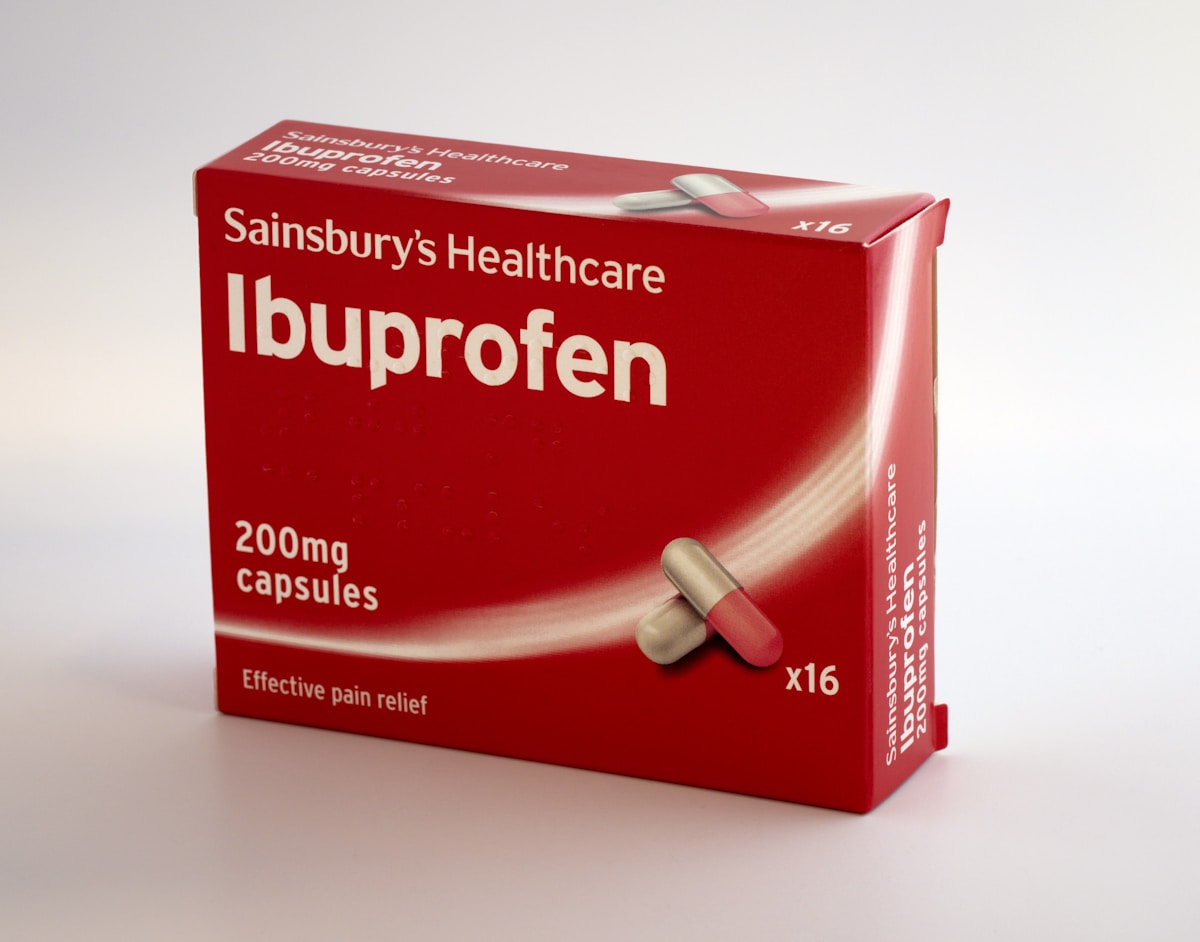
Quick Verdict
Taurine deficiency is now established as a hallmark of ageing. The 2023 Nature study is one of the most significant longevity papers in a decade. At 2–6g/day, taurine is safe, inexpensive, and has a growing evidence base across cardiovascular, metabolic, and neurological health. Strong addition to any longevity stack.
Top Picks
As an Amazon Associate, Longevity Intel earns from qualifying purchases. We may also earn a commission from other retailer links — at no extra cost to you. Commissions never influence rankings or scores. How we stay independent
NOW Foods Taurine 1000mg
NOW Foods · $14.99
Price accurate as of July 2026 — see retailer for current price & availability.
Pros
- Pure pharmaceutical-grade taurine
- 1000mg per capsule — easy to hit 2–6g target
- Third-party tested (NSF certified)
- No fillers or unnecessary additives
- Extremely affordable
Cons
- Capsules — powder may be more convenient for high doses
Affiliate link · we may earn a commission
Thorne Taurine
Thorne · $28.00
Price accurate as of July 2026 — see retailer for current price & availability.
Pros
- Premium purity — Thorne's rigorous quality standards
- NSF Certified for Sport
- Trusted by physicians and professional athletes
- Consistent potency across batches
Cons
- More expensive than NOW Foods for same compound
Affiliate link · we may earn a commission
The Paper That Shocked the Longevity Field
In June 2023, a team led by Vijay Yadav at Columbia University published a paper in Nature titled "Taurine deficiency as a driver of ageing." The findings were striking enough that longevity researchers immediately added taurine to their personal supplement stacks.
Key findings:
- Blood taurine levels decline dramatically with age: by ~80% in mice, ~80% in monkeys, and significantly in humans between age 60 and 20
- Taurine supplementation in middle-aged mice extended median lifespan by 12% in females and 10% in males — equivalent to ~7–8 human years
- Taurine-supplemented mice showed improved muscle function, bone density, gut health, immune function, and neurological health
- In rhesus monkeys, taurine supplementation improved body weight, bone density, fasting glucose, and liver enzyme profiles
- In a human observational study (12,000 Europeans), higher taurine blood levels were associated with lower rates of type 2 diabetes, obesity, hypertension, and inflammation
This is not a small study on a fringe compound. Nature is the highest-impact scientific journal in the world. The mouse lifespan data combined with the consistent across-species findings makes this one of the most compelling longevity discoveries in a decade.
What Taurine Is
Taurine is a conditionally essential amino acid (technically an amino sulfonic acid, not a standard amino acid) found in high concentrations in:
- Heart muscle — highest tissue concentration of any organ
- Brain and retina
- Skeletal muscle
- Liver and kidneys
Dietary sources:
- Meat (particularly dark meat and organ meat)
- Seafood (especially shellfish — oysters and clams are highest)
- Dairy products
- Eggs
Notably absent: plant foods contain virtually no taurine. Vegans and vegetarians have measurably lower blood taurine levels — a significant consideration for plant-based longevity practitioners.
Mechanisms: Why Taurine Matters for Longevity
The 2023 Nature paper identified multiple mechanisms by which taurine deficiency accelerates ageing:
1. Mitochondrial Health
Taurine is required for proper synthesis of mitochondrial proteins — specifically for modifying mitochondrial transfer RNA. Taurine deficiency impairs mitochondrial protein synthesis, leading to mitochondrial dysfunction. This mechanism is particularly significant because mitochondrial dysfunction is a hallmark of ageing.
2. Cellular Senescence
Taurine-supplemented mice showed fewer senescent cells (zombie cells that drive inflammation and tissue dysfunction). This anti-senolytic effect may partly explain the health improvements across multiple organ systems.
3. Telomere Protection
Taurine-deficient cells showed accelerated telomere shortening. Supplementation preserved telomere length — consistent with a direct DNA protective effect.
4. DNA Damage Response
Taurine activates DNA damage response pathways, improving the cell's ability to detect and repair DNA strand breaks — a process that declines with age.
5. Inflammation (Inflammageing)
Taurine is a potent antioxidant and anti-inflammatory compound. It reduces NF-κB activation (the master regulator of inflammatory gene expression) and scavenges reactive oxygen and nitrogen species. These effects reduce "inflammageing" — the chronic low-grade inflammation that underlies most age-related disease.
Pre-Existing Evidence (Before the 2023 Nature Paper)
The 2023 paper was not taurine's first appearance in the medical literature. A substantial body of earlier research already supported its cardiovascular and metabolic benefits:
Cardiovascular:
- A 2019 meta-analysis of 19 RCTs found taurine supplementation significantly reduced systolic blood pressure (mean reduction: 3 mmHg) and diastolic blood pressure (2 mmHg)
- Improves endothelial function and arterial compliance
- Reduces oxidised LDL and homocysteine
- Multiple studies in heart failure patients show improved exercise capacity and cardiac function
Metabolic:
- Improves insulin sensitivity and glucose disposal
- Reduces HbA1c in type 2 diabetics in several RCTs
- Reduces visceral fat accumulation in animal models
Neurological:
- Neuroprotective against glutamate excitotoxicity
- Supports GABA receptor function (calming/inhibitory neurotransmission)
- Reduced anxiety and improved cognition in animal models
Athletic performance:
- Reduces exercise-induced muscle damage and oxidative stress
- Improves endurance performance in several RCTs (the reason taurine is in energy drinks — though the caffeine dose drowns out the effect)
Dosing and Safety
Evidence-based doses:
- Cardiovascular/metabolic benefits: 1–3g/day
- Lifespan extension protocol (extrapolating from mouse study): 3–6g/day
- Vijay Yadav (lead Nature study author) has publicly stated he takes 3–6g/day
Safety profile: Taurine has an exceptional safety record. Doses up to 10g/day have been studied in clinical trials without adverse effects. The European Food Safety Authority has assessed taurine at 3g/day as safe. It is one of the safest compounds in the entire supplement category.
When to take:
- Can be taken at any time
- Some prefer splitting into 2–3 doses across the day (with meals) for sustained blood levels
- Pre-workout: beneficial for exercise performance and recovery
Interactions:
- None well-documented
- Theoretically compatible with all standard medications — consult your physician if you take blood pressure medications, as the combined hypotensive effect may require dose adjustment
Taurine for Vegans and Vegetarians
If you eat a plant-based diet, taurine supplementation is arguably the highest-priority addition to your stack. Blood taurine is measurably lower in vegans — and given the 2023 Nature data linking taurine deficiency to accelerated ageing, the risk-benefit calculation is clear.
Recommended: 2–4g/day for vegans and vegetarians; 1–3g/day for omnivores.
Honest Assessment
Taurine is, right now, one of the most compelling longevity supplements available based on:
- Multi-species lifespan extension data (2023 Nature)
- Extensive human safety data at relevant doses
- Established cardiovascular and metabolic benefits in human RCTs
- Clear mechanistic rationale
- Extremely low cost ($0.20–0.40/day at effective doses)
It is not a silver bullet. The human lifespan data does not exist (and cannot exist for any supplement). But the convergence of a landmark Nature paper, decades of safety data, and affordable pricing makes taurine one of the easiest "yes" decisions in the longevity supplement category.
The Stack
For maximum longevity synergy, taurine works well alongside:
- NMN — NAD+ for mitochondrial energy production
- Creatine — muscle and cognitive health
- Magnesium glycinate — sleep, muscle function, and cardiovascular protection
- Omega-3s — anti-inflammatory complementing taurine's own anti-inflammatory effects
All four compounds are inexpensive, safe, and have strong evidence bases. Together they form a foundational longevity stack that requires no prescriptions and costs under $100/month.
About the Author
Editorial Team
Collaborative articles researched and maintained by the Longevity Intel editorial team. Medical review is shown only when a named reviewer and review date are recorded for the article.
Related in Zone 2 & VO₂ Max
Continue your research
Continue Reading
Related Articles

Best Berberine Supplements: The Natural Metformin Alternative
Berberine activates AMPK, lowers blood sugar as effectively as metformin, and has compelling anti-ageing data. We rank the best supplements and explain the science.
NMN Supplements in 2026: Evidence, Labels & Buyer Checklist
A source-led NMN guide covering human trial results, US regulatory uncertainty, label and COA checks, and why this page does not name an unverified best product.
Best Creatine for Longevity 2026: Muscle, Brain & Performance
Best creatine monohydrate for longevity: forms, 3-5g dosing, cognitive evidence, and why monohydrate beats HCl marketing claims.