Dexcom Stelo Review: A CGM Designed for Non-Diabetics
The Dexcom Stelo is an FDA-cleared over-the-counter continuous glucose monitor for adults not using insulin. A research summary from manufacturer information and published studies on glucose, sleep, diet, and exercise; we have not tested it ourselves.
Quick Verdict
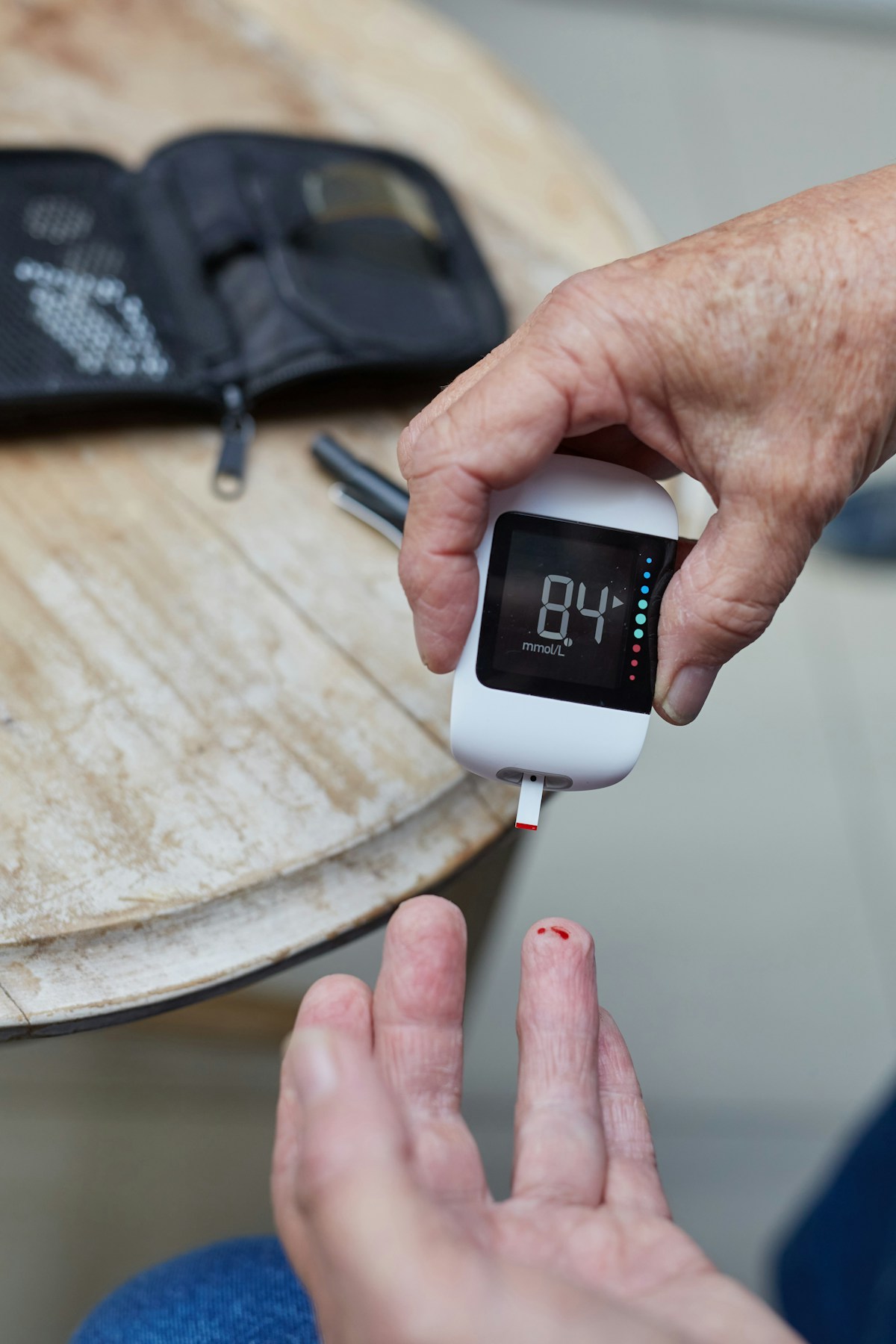
The Dexcom Stelo lets adults who do not use insulin wear a CGM without a prescription. It shows glucose patterns around meals, activity, and sleep; whether that information improves long-term health outcomes for people without diabetes has not been established. Based on manufacturer information and published research; we have not tested it ourselves.
Top Picks
As an Amazon Associate, Longevity Intel earns from qualifying purchases. We may also earn a commission from other retailer links — at no extra cost to you. Commissions never influence rankings or scores. How we stay independent
Dexcom Stelo
Dexcom · $99/month
Price accurate as of July 2026 — see retailer for current price & availability.
Pros
- No prescription required (FDA-cleared over-the-counter CGM)
- 14-day sensor wear
- Manufacturer-reported MARD of 7.8%
- Clean app with patterns and insights
- Small sensor worn on the upper arm
- Real-time glucose trends
Cons
- $99/month subscription adds up
- Arm-only placement
- No real-time alerts (non-diabetic use)
- Finger-stick calibration occasionally needed
The CGM Revolution Reaches Healthy Adults
Continuous glucose monitors have existed since the early 2000s, but they required a prescription and were designed exclusively for diabetics. In 2024, that changed. The FDA cleared the Dexcom Stelo — a CGM specifically designed and cleared for adults who do not use insulin.
This page is a research summary from manufacturer information and published studies. We have not worn or tested the Stelo ourselves, and the sections below describe what published research and the manufacturer say rather than our own results.
Why Glucose Matters for Longevity
Blood glucose is not just a diabetic concern. Chronic glucose dysregulation — even within "normal" fasting ranges — is one of the most powerful drivers of accelerated biological aging.
What glucose dysregulation does:
- Glycation: Elevated glucose glycates (attaches to) proteins, producing AGEs (advanced glycation end-products) that stiffen arteries, accelerate skin aging, and damage neuronal function
- Insulin resistance: Chronic glucose elevation drives compensatory insulin secretion, eventually leading to insulin resistance — a precursor to type 2 diabetes, NAFLD, and Alzheimer's disease
- Inflammation: Glucose spikes activate NF-κB inflammatory pathways
- Mitochondrial dysfunction: Chronic glucose excess generates excess ROS, impairing mitochondrial function
The EPIC-Norfolk study found that each 1% increase in HbA1c above 5% was associated with a significant increase in all-cause mortality — even in people without diabetes.
The Dexcom Stelo: What It Is
The Stelo is a small (3cm oval) sensor worn on the back of the upper arm. A thin flexible filament (0.4mm diameter) penetrates just below the skin surface, measuring interstitial fluid glucose every 5 minutes. Data is transmitted via Bluetooth to the Dexcom app on your phone.
Key specs:
- Sensor life: up to 15 days, per the manufacturer
- Accuracy: MARD of 7.8% (mean absolute relative difference vs. fingerstick reference)
- Range: 55–250 mg/dL display
- Warm-up: 2 hours after sensor insertion
- Waterproof: IP27 (swimming and bathing safe)
- No calibration required (though fingerstick option available)
Application: The manufacturer describes a one-step applicator. Some CGM users report skin irritation at the sensor site, so check the manufacturer's guidance.
Accuracy: How Does It Compare?
The manufacturer reports a MARD of 7.8% from its validation studies. In practical terms, if your true glucose is 100 mg/dL, the Stelo reads between 92–108 mg/dL approximately 68% of the time (within 1 standard deviation).
This is sufficient for:
- Identifying glucose trends and patterns
- Comparing relative responses to different foods
- Tracking time-in-range improvements
- Early detection of metabolic dysfunction patterns
It is NOT sufficient for:
- Dosing insulin (not the intended use)
- Replacing fingerstick for clinical decisions
For adults using a CGM to look at patterns, this level of accuracy is generally considered useful for trends, but individual readings can differ from a fingerstick or lab value.
What Published Research Says About CGM Use
We have not recorded our own glucose data. Published studies suggest the following, with the caveat that research in people without diabetes is still limited and results vary widely between individuals:
- Sleep: Short or disrupted sleep has been associated with worse glucose regulation in controlled studies.
- Meal order and composition: Small studies have found lower post-meal glucose peaks when protein and vegetables are eaten before carbohydrates.
- Post-meal movement: Short walks after meals have been shown to lower post-meal glucose in several studies.
- Stress: Stress hormones can raise glucose independently of food.
- Individual variation: Studies of personalised nutrition have found that people can respond quite differently to the same food, which is one reason people use CGMs.
Whether using a CGM leads to better long-term health outcomes in people without diabetes has not been established.
The App
Features the manufacturer describes for the Dexcom app:
Urgency Low alerts: Even in non-diabetic mode, the Stelo alerts at below 70 mg/dL — important for identifying reactive hypoglycaemia after high-carbohydrate meals.
Pattern recognition: The app identifies recurring patterns — morning glucose trends, post-meal response patterns, overnight behaviour. These summaries are generated automatically.
Daily stats: Time in Range, Average Glucose, and Glucose Variability (coefficient of variation %) are shown clearly. Glucose variability (CV%) is used in diabetes care, where a CV of about 36% or higher is commonly cited as a marker of instability; this threshold is not validated for people without diabetes.
Activity correlation: Syncs with Apple Health and Google Fit to overlay physical activity on your glucose graph.
Cost Analysis: Is $99/Month Worth It?
At $99/month ($1,188/year), the Stelo is a significant commitment. Check Dexcom's current pricing, since plans change. One way to limit cost is to wear it for a short, defined period with a specific question in mind, such as how particular meals or habits affect your readings, rather than wearing it indefinitely.
People who may get the most use from a CGM:
- Anyone with family history of type 2 diabetes
- People with HbA1c above 5.4% ("high normal")
- Those optimising body composition
- Performance athletes wanting carbohydrate periodisation guidance
Dexcom Stelo vs. Abbott Libre Sense
The main competitor is the Abbott Libre Sense (also OTC in some markets). Key differences:
| Feature | Dexcom Stelo | Abbott Libre Sense | |---------|-------------|-------------------| | Accuracy (MARD) | 7.8% | 8.9% | | Sensor life | 15 days | 14 days | | Real-time alerts | Limited | None | | Prescription | Not required | Not required | | Price | $99/mo | $89/mo |
On the manufacturer-reported figures above, the Stelo has a lower stated MARD but a higher price. Figures come from each company and may not be directly comparable.
Final Verdict
The Dexcom Stelo is a CGM available to adults without a prescription. The glucose data it provides is not available from most other wearables, and some people find it useful for seeing how meals, activity, and sleep affect their readings. Evidence that CGM use improves long-term outcomes in people without diabetes is still limited.
Research status: this page is a research summary from manufacturer information and published studies; we have not tested the product ourselves. Longevity Intel may earn a commission on affiliate sales.
About the Author
Editorial Team
Collaborative articles researched and maintained by the Longevity Intel editorial team. Medical review is shown only when a named reviewer and review date are recorded for the article.
Related in Longevity Wearables
Continue your research
Continue Reading
Related Articles
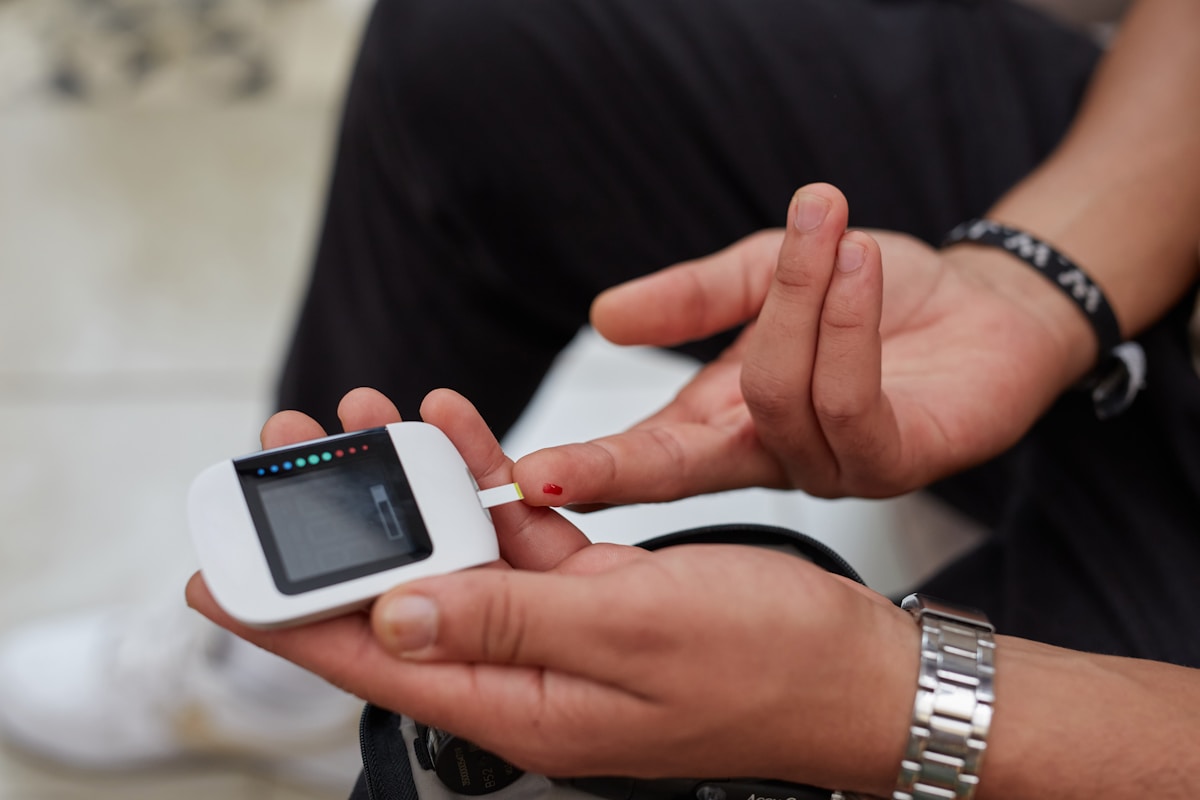
Best CGMs for Non-Diabetics: Are They Worth It?
Continuous glucose monitors have gone mainstream for longevity optimization. This page is a research summary from manufacturer information and published studies; we have not tested the devices ourselves.
WHOOP 5 Review 2026: Features, Evidence & Limitations
A documentation-based WHOOP 5 and WHOOP MG review covering current plans, battery claims, ECG scope, recovery metrics, and what older validation studies can—and cannot—establish.
Garmin vs WHOOP: Which Training Wearable Is Right for Longevity?
Garmin and WHOOP take fundamentally different approaches to health tracking. Garmin is a GPS sports computer that also tracks health. WHOOP is a recovery platform that also tracks activity. Here's the head-to-head for longevity-focused users.