Stelo vs Lingo: CGMs for People Without Diabetes
Dexcom Stelo vs Abbott Lingo from the brands' pages and FDA: price, wear time, who each is for, and what studies say about CGM use without diabetes.
Compiled from published studies and manufacturer specifications, checked .
We have not tested products ourselves. How we researchQuick verdict
Both are over-the-counter sensors for adults not on insulin. Stelo lists a subscription at $89 a month (struck from $99) with 15-day sensors and Apple Watch support; Lingo lists $54 for a no-renewal two-week plan with 14-day sensors. An independent study of over-the-counter CGMs found 12.9% average error. No trial shows that using one improves health in healthy people.
Talk to your doctor first. This is general information, not medical advice. Supplements and devices can interact with medicines and health conditions. We quote study protocols for context and do not recommend doses.
The short answer: Dexcom’s Stelo and Abbott’s Lingo are both over-the-counter glucose sensors for adults not using insulin. Stelo lists a subscription at $89 a month (struck from $99) with 15-day sensors and Apple Watch support; Lingo lists $54 for a two-week plan that does not auto-renew, with 14-day sensors. The first independent accuracy study of over-the-counter CGMs found 12.9% average error, fine for patterns, less reliable for exact numbers. No trial shows that wearing one improves health in healthy people. If you are worried about diabetes, see a doctor; a CGM does not diagnose it.
Side by side, from the brands
| Attribute | Stelo (Dexcom) | Lingo (Abbott) |
|---|---|---|
| For | People 18 and older not on insulin, per Stelo’s site. FDA cleared it for ages 2 and up not on insulin on 12 June 2026 | Users 18 and older not on insulin |
| Not for | People with problematic hypoglycemia | Diagnosis of any disease, including diabetes |
| Price shown 29 Sept 2026 | Monthly subscription shown as $89 (struck from $99); one-time purchase also offered | $54 for a two-week plan, no auto-renewal (US site) |
| Sensor wear | Up to 15 days; brand footnote says about 20% of sensors may not last the full 15 days | Up to 14 days; Lingo’s UK page notes about 22.9% of sensors may not last the full 14 days |
| App | Tips and coaching, morning recaps, AI Coach (disclaimed as not medical advice) | Real-time glucose (data every minute per the site), Lingo Count, meal and exercise logging, Apple Health and Health Connect |
| Watch and phone | Apple Watch compatible | iOS and Android; Apple Health and Health Connect |
| Regulatory wording read | Cleared OTC integrated CGM (iCGM) to detect normal and low or high glucose | Clearance wording was not on the page text we read; states not for diagnosis |
Prices and plans change and differ by country (Lingo’s UK shop lists pounds and multi-sensor plans). The FDA notice says Stelo “is not for people with problematic hypoglycemia (low blood sugar) because it is not designed to alert users when this potentially dangerous condition occurs.”
What studies say
- Accuracy. A September 2026 study of over-the-counter CGMs in 39 young adults without diabetes found a mean absolute relative difference of 12.9% against capillary meter readings, worse after a sugary drink (15.3% vs 10.6%). The authors concluded the sensors agree with overall trends but are less reliable for exact values and warn against using them for diagnostic thresholds. The abstract says no independent study had evaluated OTC CGM accuracy before it; it does not name the products in what we read.
- What is normal. A multicentre study of 153 healthy people wearing a Dexcom G6 found mean glucose of 98 to 99 mg/dL, 96% of time at 70 to 140 mg/dL, and a median of 2.1% (about 30 minutes a day) above 140. Many healthy people will see occasional highs, and readings depend on the sensor.
- Does it help? A 2024 meta-analysis of 25 trials found CGM feedback lowered HbA1c by 0.28% and raised time in range by 7.4 points, but the trials were mostly in diabetes and only 3 in obesity; 44% reported CGM-company conflicts of interest. We found no trial proving benefit for healthy adults.
Which to pick
- Try it for two weeks and stop: Lingo’s no-renewal plan fits a short experiment. Check the plan does not auto-renew before paying.
- Longer tracking, Apple Watch: Stelo, at a subscription price. See our Dexcom Stelo review. The official Stelo site has current plans.
- Broader comparison, including Libre and prescription models: best continuous glucose monitors.
- Reading the numbers: the CGM guide explains time in range and variability.
Ask your doctor first if you have or suspect diabetes, take glucose-lowering medicines, are pregnant, or have a history of disordered eating: Lingo itself says to consult a healthcare professional if you have an eating disorder or a history of one.
Method note
Researched from Stelo’s and Lingo’s own sites, an FDA press announcement and PubMed abstract records, all read 29 Sept 2026. We did not test either sensor. Brand pages change by region and date; re-check the price before buying. General information, not medical advice.
Common questions
Which is better, Stelo or Lingo?
Neither is shown to be better for health outcomes, and we found no independent head-to-head accuracy study naming both. The choice comes down to price structure (Lingo offers a one-off two-week plan; Stelo lists a monthly subscription), wear time (15 vs 14 days), phone and watch support, and app style.
Can a CGM diagnose diabetes?
No. Lingo states it is not intended for diagnosis of diseases, including diabetes, and an FDA notice says Stelo is meant for people who want to understand how diet, exercise and lifestyle affect their glucose. A doctor diagnoses diabetes with laboratory tests.
Do CGMs help people without diabetes?
Not proven. A 2024 meta-analysis of 25 trials was mostly in people with diabetes (68% type 2) and found modest benefits on HbA1c; only 3 trials were in people with obesity, and 44% of trials reported CGM-company conflicts. Healthy-adult trials of health outcomes were not among them.
Sources
- Stelo by Dexcom, product site (price, wear time, intended use) checked 29 Sept 2026
- Lingo by Abbott, product site (US price, wear time, intended use) checked 29 Sept 2026
- FDA, clears first over-the-counter CGM for children (12 June 2026) checked 29 Sept 2026
- Agreement of OTC CGMs with capillary-meter glucose in young adults without diabetes (J Diabetes Sci Technol, Sept 2026) checked 29 Sept 2026
- CGM profiles in healthy nondiabetic participants (J Clin Endocrinol Metab 2019) checked 29 Sept 2026
- CGM as a behaviour change tool, systematic review and meta-analysis of RCTs (Int J Behav Nutr Phys Act 2024) checked 29 Sept 2026
Update log
- New page: Stelo and Lingo compared from manufacturer and FDA pages, with the evidence on CGM use without diabetes.
Related reading
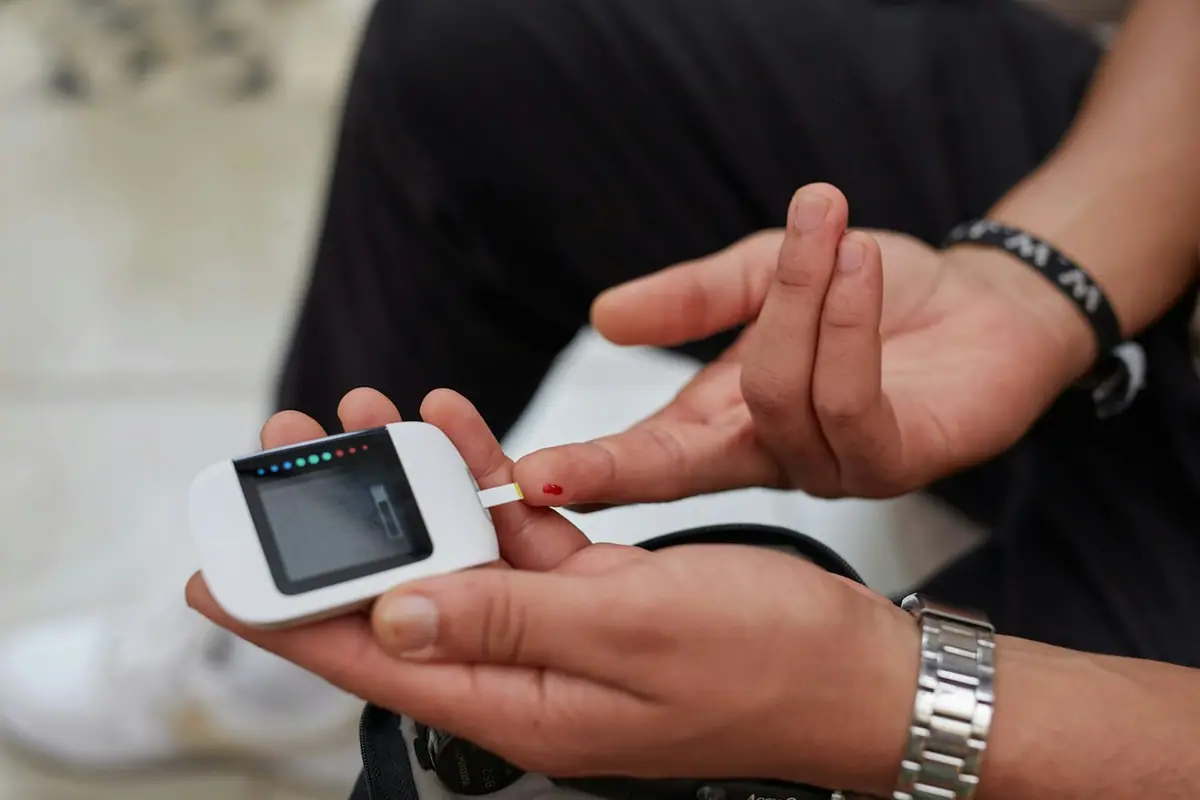
Best CGMs for Non-Diabetics: Are They Worth It?
Compare the CGM options for people without diabetes, from the brands' own pages, with wear time, price, and what the evidence does and does not show.

Dexcom Stelo Review: Price, Use, Accuracy Evidence
Dexcom Stelo from Stelo's site, FDA and studies: who it is for, price and plans, 15-day wear, independent accuracy findings, and what CGM evidence shows.
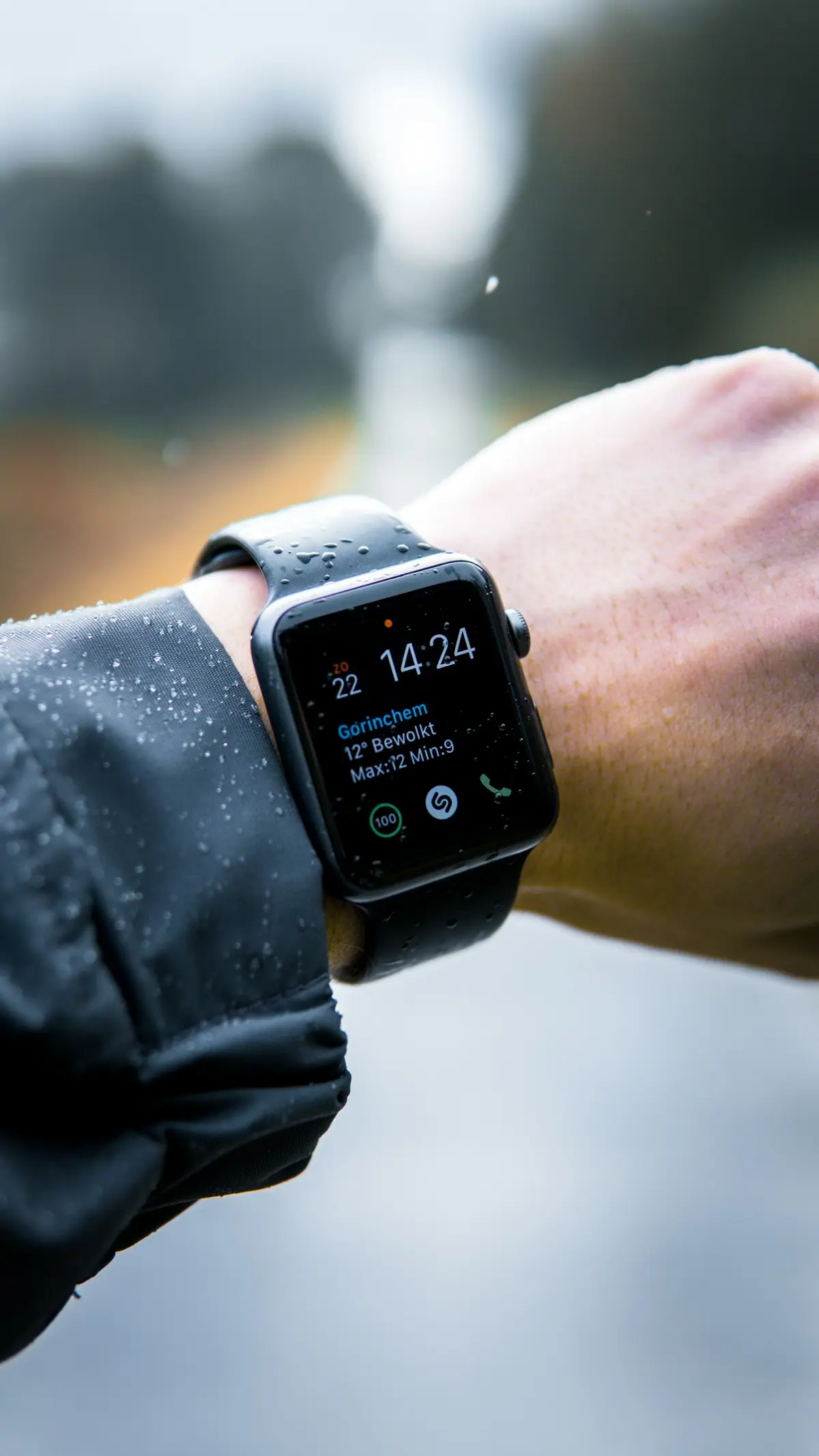
Best Fitness Trackers for Longevity in: Choose by Goal
WHOOP 5.0, Oura Ring 4, Garmin fēnix 8, and Fitbit Charge 6 compared by documented features, cost structure, and generation-specific validation.